Slugging: The Korean Skincare Trend I Was Skeptical About (Until It Fixed My Dry Skin)
Updated August 2026 · 8 min read
I spent a solid year rolling my eyes at slugging. Slathering Vaseline on your face before bed sounded like something my grandmother did out of necessity, not a skincare strategy. I had a multi-step routine. I had serums and essences and fancy actives. Why would I cover it all in petroleum jelly?
Then January hit, the heating was running all day, and my skin turned into a flaky, tight, miserable disaster. Nothing I was using was making a dent. A friend mentioned she'd been slugging for months and her skin had never been better. Out of desperation I tried it. By the third morning I understood what everyone had been talking about.
⚡ Quick Summary
- What it is: Applying a thin occlusive layer as the last PM step to seal in moisture overnight
- Classic option: Plain Vaseline (petroleum jelly) applied in a thin layer
- Korean upgrade: Laneige Water Sleeping Mask, occlusive but also packed with hydrating actives
- Best for: Dry skin, compromised barriers, harsh weather conditions
- Not ideal for: Oily skin, active acne breakouts
- When I do it: Two to three nights a week in winter, less often in summer
What Slugging Actually Is (and Why It Works)
Slugging is the practice of applying a thin layer of an occlusive product, usually petroleum jelly, as the very last step of your nighttime skincare routine. The term comes from the shiny, slug-like appearance it gives your skin. Not glamorous. Very effective.
The science behind it is simple. Occlusives create a physical barrier on top of the skin that dramatically slows transepidermal water loss (TEWL). Your skin loses moisture through evaporation all night. An occlusive reduces that evaporation by up to 99% in some studies. The result: everything you applied underneath stays hydrated and active while you sleep instead of slowly evaporating into your bedroom air.
Korean skincare has been using this principle for years. The overnight mask category in K-beauty is essentially a more cosmetically elegant version of slugging: lighter occlusives paired with hydrating and treating ingredients so you get the lock-in effect without feeling like you've applied candle wax to your face.
Vaseline vs. Korean Alternatives: What to Actually Use
| Product | Occlusion Level | Added Benefits | Texture | Best For |
|---|---|---|---|---|
| Vaseline (petrolatum) | Maximum | None, pure barrier | Very thick, greasy | Severely compromised barriers, cracked skin |
| Laneige Water Sleeping Mask | High | Hyaluronic acid, squalane, sleep-scent complex | Light gel, comfortable | Daily use, most skin types |
| Dr. Jart+ Ceramidin Cream | Moderate | Ceramide complex, barrier repair | Rich cream | Dry, barrier-damaged skin |
| Etude SoonJung 2x Intensive Cream | Moderate | Panthenol, madecassoside, barrier soothing | Lightweight cream | Sensitive, reactive, redness-prone skin |
My Honest Review After Six Months
I started slugging with plain Vaseline because that's what I had. I applied a very thin layer over my full face after everything else, and woke up the next morning with the softest skin I'd had in months. The tight, uncomfortable feeling I'd had for weeks was gone. I kept going.
After about two weeks I switched to the Laneige Water Sleeping Mask as my primary slugging product, and the difference in sleeping comfort alone was worth it. The Vaseline felt fine on my skin but my pillow hated it. The Laneige has a gel texture that absorbs enough to feel like a real product rather than a coating. It has hyaluronic acid and a subtle calming fragrance that I genuinely look forward to at bedtime.
Now I use the Laneige mask two to three nights a week year-round and reach for Vaseline maybe once a week in winter when my barrier needs the maximum possible protection. After six months, my skin holds hydration noticeably better even on the nights I don't slug. I think consistent slugging actually helped rebuild and strengthen my barrier long term, not just as a temporary fix.
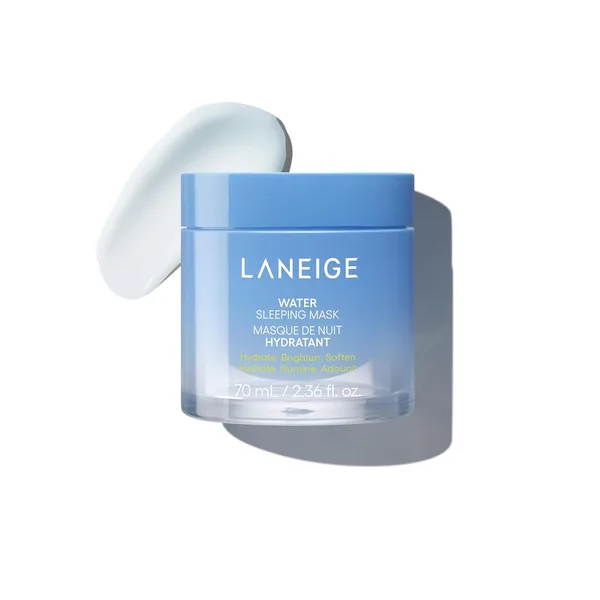
Laneige Water Sleeping Mask
$33.00
The K-beauty slugging upgrade. Hyaluronic acid and squalane in a light gel mask that seals in everything underneath without the greasy Vaseline feeling. My go-to two to three nights a week. The subtle lavender and rose scent has genuinely become part of my wind-down routine.
What to Layer Underneath Before You Slug
This is where slugging goes wrong for most people. The occlusive seals in whatever is on your skin, so you want to load up on humectants and hydrating actives underneath it, not skip straight to Vaseline on bare skin. Here's what I layer on a slugging night:
Don't slug over active acids or strong retinol
Occlusives significantly increase ingredient penetration and absorption. Slugging over an acid exfoliant or a high-strength retinol can cause severe irritation, especially on already-compromised skin. On nights you use actives, either skip the slug entirely or apply the active, wait 30 minutes for it to fully absorb, then apply the occlusive. Better yet, separate active nights from slugging nights until you know how your skin responds.
The Products I Pair with Slugging
The best slugging results I've had came when I loaded up on the right humectants before applying the occlusive. My favorites to use underneath:
The Torriden Dive-In Hyaluronic Acid Serum is my go-to pre-slug hydrator. It has five molecular weights of hyaluronic acid that pull moisture into different layers of the skin, and the Laneige Water Sleeping Mask over the top locks all of it in. This combination transformed my skin through a particularly brutal winter.
The Anua Heartleaf 77% Soothing Toner has become my first step on slugging nights. It calms any residual redness from the day and preps my skin to absorb everything that comes after. The heartleaf (houttuynia cordata) at 77% concentration is genuinely soothing in a way that most toners marketed as soothing are not.
On nights when my skin feels especially compromised, I add the COSRX Advanced Snail 96 Mucin Power Essence as a middle step. Snail mucin is naturally humectant and contains growth factors that support repair while you sleep. Under a slug, its effects are amplified noticeably.
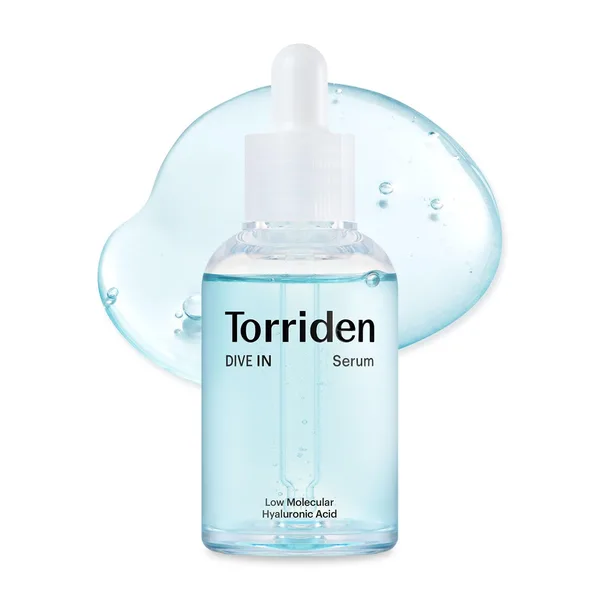
Torriden Dive-In Hyaluronic Acid Serum
$16.80
Five molecular weights of hyaluronic acid delivering moisture to different skin depths. My first choice to layer before the slug. The combination of this underneath the Laneige sleeping mask is the best my skin has ever felt after a night's sleep.
Who Should and Shouldn't Try Slugging
Slugging is not for everyone, and I want to be straightforward about that before you coat your face in petroleum jelly and blame me for the results.
✓ Great for slugging
- Dry skin types (this will change your life)
- Compromised or damaged skin barrier
- Skin reacting to over-exfoliation
- Cold or low-humidity climates
- Flying or in very dry environments
- Eczema-prone skin (especially Vaseline)
✗ Approach with caution
- Active acne or fungal acne
- Very oily skin types
- Those who use heavy retinols nightly
- Hot, humid climates where skin is already sweating
- People prone to milia from occlusive products
FAQ
Will slugging clog my pores?
Pure petroleum jelly (Vaseline) has a comedogenic rating of zero and is not absorbed into the skin, so it technically cannot clog pores by itself. The issue comes if you slug over products that do clog pores, or if you have acne-prone skin where the occlusion itself traps heat and bacteria. If you're acne-prone, try the Laneige Water Sleeping Mask instead, which is occlusive but much lighter.
Can I slug every night?
I slug two to three nights a week in winter and once a week in warmer months. Every night is fine if your skin is very dry or compromised, but most people don't need it daily once their barrier is repaired. Listen to your skin.
What do I put on before slugging?
Hydrating toner, essence, and serum first. Slugging seals in whatever is already on your skin, so load up with humectants like hyaluronic acid and snail mucin before applying the occlusive. Don't slug over active acids or retinol until you know how your skin responds, because the increased absorption can cause irritation.
Does slugging actually work for anti-aging?
Not directly. Slugging prevents transepidermal water loss and keeps your skin hydrated overnight, which indirectly supports the skin's repair processes. Plump, hydrated skin looks younger. But the occlusive itself isn't doing anything actively anti-aging. Pair it with peptides and sunscreen for actual long-term results.
What is the difference between Vaseline and a Korean sleeping mask for slugging?
Vaseline is pure petrolatum, the most occlusive option available. Korean sleeping masks like the Laneige Water Sleeping Mask are a hybrid: lightly occlusive but also packed with hydrating and skin-benefiting ingredients. The mask is more cosmetically elegant and easier to sleep in. Vaseline gives maximum occlusion. Both work. I use the Laneige most nights and Vaseline only when my skin is really compromised.
If you have dry skin and haven't tried slugging, give it two weeks. Start with the Laneige Water Sleeping Mask if you want something lightweight, or go straight to Vaseline if your barrier is really struggling. Either way, you'll understand the hype within the first three mornings.
Laneige Water Sleeping Mask on Amazon →