Best Korean Eye Cream 2026: What I Actually Use Every Morning
Updated August 2026 · 9 min read
I spent two years telling myself I didn't need a separate eye cream. My regular moisturizer was fine. The eye cream industry was a scam. I had better things to spend money on. Then I looked at photos of myself from three years ago and noticed exactly what had changed under my eyes, and I stopped arguing.
The skin under your eyes is about 0.5mm thick. The rest of your face averages around 2mm. That difference is why fine lines show up there first, why it's the first place you see dehydration, and why a targeted product actually makes sense. After testing everything from budget K-beauty options to mid-range splurges, here's what I've found actually works.
⚡ Quick Summary
- Best for fine lines: medicube PDRN Pink Peptide Serum (peptides and growth factors, used around the eye area)
- Best for dark circles: Beauty of Joseon Glow Serum with rice and arbutin for brightening
- Best budget option: COSRX Advanced Snail 96 Mucin Power Essence as an eye treatment
- Best rich cream: Dr. Jart+ Ceramidin Cream for dry, crepey under-eye skin
- What actually works: Consistent hydration, peptides, SPF during the day. No cream fixes structural hollows or genetics.
What Eye Creams Can (and Can't) Do
Before I get into specific products, I want to be honest about expectations. I've tried a lot of eye creams over the years and the ones that made a real difference all had a few things in common: they hydrated consistently, they had at least one active ingredient targeting my specific concern, and I used them every single day without skipping.
No eye cream is going to fix structural dark circles, the kind caused by a hollow tear trough casting a shadow. That's anatomy, not skincare. But dark circles from thin skin showing underlying vessels, or from uneven pigmentation, respond really well to the right ingredients used consistently. Puffiness can be managed but not eliminated. Fine lines respond to hydration and peptides over months, not days.
With that said, here's what I actually use and why.
The Concern-by-Concern Breakdown
| Concern | What's Causing It | Key Ingredients | My Pick |
|---|---|---|---|
| Fine lines | Collagen loss, dehydration | Peptides, PDRN, HA, ceramides | medicube PDRN Serum |
| Dark circles (pigment) | Melanin, sun damage | Niacinamide, arbutin, vitamin C | Beauty of Joseon Glow Serum |
| Dark circles (vascular) | Thin skin, visible vessels | Peptides, retinol (with care), caffeine | VT Cosmetics Reedle Shot |
| Puffiness | Fluid retention, lymphatic drainage | Caffeine, cold application, massage | Gua sha + hydrating serum |
| Dryness / crepiness | Barrier damage, low lipid content | Ceramides, snail mucin, fatty acids | Dr. Jart+ Ceramidin Cream |
The Product I Use in the Morning
For the past four months I've been patting a small amount of medicube PDRN Pink Peptide Serum under my eyes every morning as part of my serum step. PDRN is polynucleotide, derived from salmon DNA, and it's been used in clinical skin treatments for years before making it into K-beauty products. Combined with peptides, it supports collagen synthesis and improves skin density over time.
I was skeptical when I started. After six weeks I noticed the skin under my eyes looked less thin and translucent, and the fine lines when I smile are less prominent. This isn't a miracle, but the difference is real enough that I've kept buying it. The texture is light enough that it doesn't cause milia, which was always my problem with heavier dedicated eye creams.
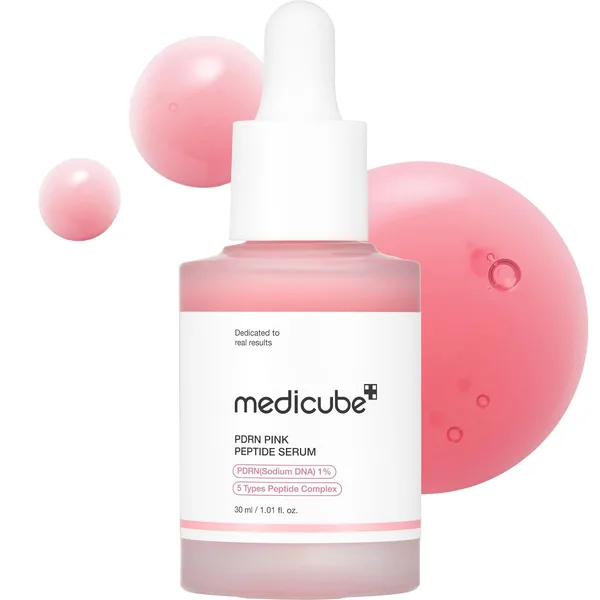
medicube PDRN Pink Peptide Serum
$14.90
PDRN (polynucleotide) plus peptide complex for collagen support and skin density. Lightweight enough for the eye area, effective enough that I kept rebuying. Best for fine lines and thin, translucent under-eye skin.
For Dark Circles: What I Tried and What Stuck
My dark circles are a mix of pigmentation and thin skin, so I needed something that worked on both angles. The Beauty of Joseon Glow Serum (Rice + Arbutin) became my evening option for the pigmentation side. Rice extract is full of ferulic acid and vitamins that brighten over time. Arbutin is a gentler form of hydroquinone that inhibits melanin production without the irritation.
I pat a tiny amount under my eyes every night before moisturizer. It took about eight weeks before I noticed a visible difference in the evenness of tone under my eyes, but the difference was real. It's also become a staple for the rest of my face, so the bottle does double duty.
For the vascular component (visible blood vessels making the under-eye look purple), I've been experimenting with the VT Cosmetics Reedle Shot 100. It uses micro-needling technology within the formula to push actives deeper into the skin, which over time helps thicken the dermis. Still early days with this one for me, but the texture under my eyes has already improved noticeably.
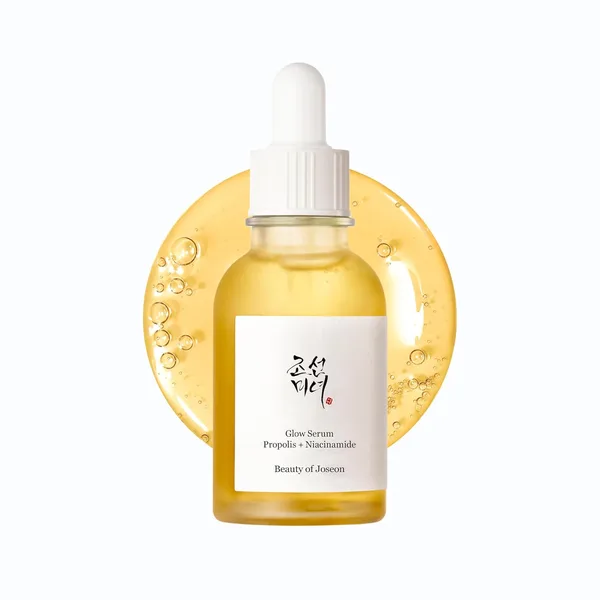
Beauty of Joseon Glow Serum (Rice + Arbutin)
$18.00
Rice extract and arbutin work together to fade uneven pigmentation under the eyes and across the face. Eight weeks to visible results, but the improvement holds. A core part of my evening routine.
The Budget Option That Actually Delivers
If you're new to Korean skincare and don't want to invest in a bunch of products at once, the COSRX Advanced Snail 96 Mucin Power Essence is genuinely one of the best things you can put under your eyes. Snail mucin is 96% of the formula, and it contains glycoproteins, hyaluronic acid, zinc, and enzymes that collectively hydrate, repair, and support cell turnover.
I used this for over a year before I moved to targeted actives. The under-eye area stayed plump and hydrated, and the gel texture doesn't sit heavily or cause congestion. At the price point, it's hard to argue against it as a starting point.
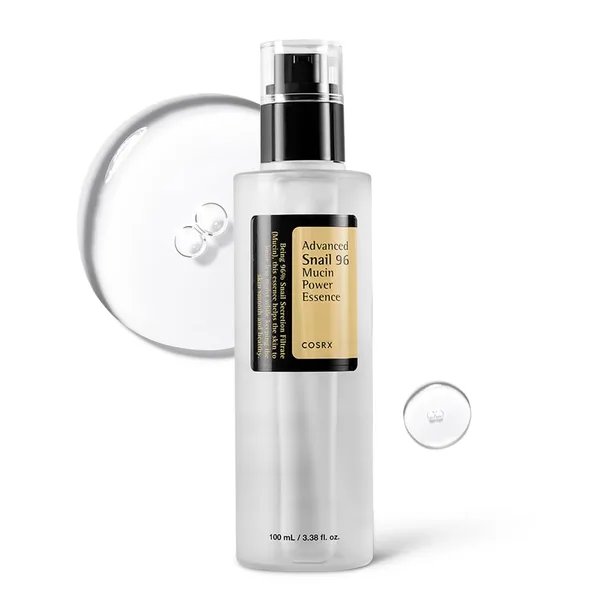
COSRX Advanced Snail 96 Mucin Power Essence
$12.99
96% snail secretion filtrate delivers hydration, repair, and cell turnover support. Gentle enough for daily use around the eye area. The reliable budget option I used for over a year before switching to targeted actives.
For Dry, Crepey Under-Eye Skin
In winter, my under-eye area gets noticeably drier and the fine lines look deeper. A lighter serum isn't enough. What I reach for during cold months is the Dr. Jart+ Ceramidin Cream, which is one of the most ceramide-dense formulas I've found in K-beauty. Ceramides are the lipids that hold your skin barrier together, and the under-eye area has naturally fewer of them than the rest of your face.
I layer it over the medicube PDRN serum at night, using just a tiny amount pressed gently under each eye. It absorbs better than you'd expect for a rich cream, and I haven't had any milia issues despite the formula being quite nourishing.
For those with really reactive or sensitive under-eye skin, the Etude SoonJung 2x Intensive Cream is a gentler barrier-repair option. It's formulated with panthenol and madecassoside and has almost no fragrance or irritants. I recommended it to my mother after she developed sensitivity around her eyes from overusing active ingredients.
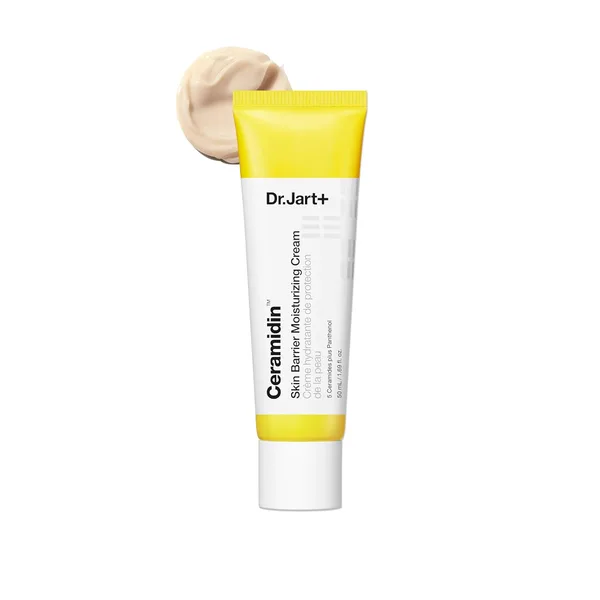
Dr. Jart+ Ceramidin Cream
$50.00
Dense ceramide complex for dry, crepey under-eye skin. Rebuilds the lipid barrier over time. My winter staple when lighter serums aren't enough to keep the under-eye area plump and smooth.
How I Layer Eye Products in My Actual Routine
People overcomplicate the eye area. Here's how I actually do it:
One thing I learned the hard way
Don't use active acids or strong retinol products directly on the under-eye skin until you've built up tolerance. The skin there is too thin. Start with hydrating and peptide-based products, then introduce actives gradually at the orbital bone edges, not directly on the thinnest skin.
The Role of SPF in Preventing Eye Aging
This doesn't get said enough: the single best thing you can do for the under-eye area long term is apply sunscreen close enough to it every single morning. UVA rays cause collagen breakdown and hyperpigmentation. No eye cream compensates for daily sun damage you're not protecting against.
I apply my sunscreen carefully up to the orbital bone. It's uncomfortable to get it in your eyes, which is why most people leave a big gap around them. But that gap is where most of the UV damage accumulates over years. Get as close as you reasonably can.
FAQ
Do I really need a separate eye cream or can I use my regular moisturizer?
You can use your regular moisturizer under your eyes, and many people do. A dedicated eye cream is formulated to be lighter and less likely to cause milia (those tiny white bumps under the eyes). If your regular moisturizer is heavy or occlusive, a separate eye product is worth it.
At what age should I start using eye cream?
I started in my mid-twenties and wish I had started earlier. The skin under the eyes is the thinnest on your face and shows sun damage and dehydration first. A basic hydrating eye product in your twenties is genuinely preventive.
Can Korean eye creams really reduce dark circles?
It depends on what's causing them. Dark circles from pigmentation respond to brightening ingredients like niacinamide and arbutin. Dark circles from thin skin showing underlying blood vessels respond better to peptides and ingredients that thicken the dermis over time. Structural dark circles caused by shadow from hollows need a different approach entirely.
Why does the eye area get puffy in the morning?
Fluid accumulates overnight because you're horizontal and lymphatic drainage slows down. Salt intake, alcohol, allergies, and lack of sleep all make it worse. Cold application helps temporarily. Caffeine in eye products also helps by constricting blood vessels.
How do I apply eye cream without pulling the skin?
Use your ring finger, which naturally applies the least pressure. Pat, never rub. Apply from the outer corner inward along the orbital bone, not directly on the lash line. The product migrates on its own.
Can I use peptide serums around my eyes?
Yes. Products like the medicube PDRN Pink Peptide Serum are gentle enough for the eye area and deliver the same peptide and growth factor benefits. Just avoid anything with active acids or retinol until your skin has built up tolerance.
If you're starting from scratch, I'd start with the COSRX Snail 96 Essence as an affordable daily option, then layer in the medicube PDRN serum once you're ready to target fine lines more specifically. Consistency over four to eight weeks is where the results actually show up.
medicube PDRN Pink Peptide Serum on Amazon →