What Is a K-Beauty Ampoule? The Complete Guide for 2026
Updated May 2026 · 10 min read
The first time I picked up a K-beauty ampoule, I held the tiny dropper bottle for about a minute, genuinely unsure what I was supposed to do with it. My shelf already had a toner, two essences, and a serum. The ampoule's ingredient list looked almost identical to the serum sitting right next to it. I kept reading the back of the box hoping something would click, and what I got was a lot of flowery language about "intensive nourishment" and "targeted delivery" that told me exactly nothing. So I put it back. Then I picked it up again. Then I bought it out of confusion and hope, which is basically the K-beauty experience in a nutshell.
It took me a few months of actual use, some ingredient label obsession, and more than a few wasted bottles to understand what ampoules actually are, when they earn their place in a routine, and which ones are genuinely different from a $12 serum with a fancy name. This guide is everything I wish someone had explained to me upfront: no hype, no vague claims, just honest context so you can decide whether an ampoule belongs in your routine at all.
⚡ Quick Summary: K-Beauty Ampoules
What it is:
A highly concentrated treatment product with more active ingredients per drop than a typical serum. Less filler, more payload.
Where it goes in your routine:
After toner or essence, before moisturizer. Apply to slightly damp skin for best absorption.
Price range:
$14 to $45 for most reputable K-beauty ampoules. Anything significantly cheaper is usually just a serum with rebranded packaging.
Best for beginners vs. experienced:
Beginners: skip it until your core routine is solid. Experienced: add one targeted ampoule when you have a specific concern your current routine isn't addressing.
Ampoule vs. Serum vs. Essence: The Real Difference
Korean skincare terminology is notoriously slippery. Brands use "ampoule," "serum," and "essence" somewhat interchangeably, which is part of why the confusion persists. But there are real functional differences, and once you understand them, the product categories start making sense.
An essence is the lightest of the three: watery, fast-absorbing, usually focused on hydration and skin-prepping. It goes on first after toner and sets the stage for everything that follows. A serum is thicker and more targeted, with a higher concentration of actives than an essence but formulated to be used every single day without overwhelming your skin. An ampoule cranks the concentration up further still. The trade-off is that ampoules often have a shorter ingredient list (fewer emollients, fewer humectants) because the whole point is to deliver a lot of one thing, not a balanced daily moisturizing treatment.
Spot treatments are in a category of their own: they're applied directly to a blemish, not layered across the whole face. The table below lays out where each product type sits:
| Product Type | Concentration | Texture | When to Use | Price Range | Best For |
|---|---|---|---|---|---|
| Essence | Low-Medium | Watery, thin | After toner, every day | $15-$50 | Hydration, prepping skin |
| Serum | Medium-High | Gel or lightweight liquid | After essence, daily | $12-$60 | Targeted concerns, daily use |
| Ampoule | Very High | Thin to medium, often dropper | After essence, targeted use | $16-$45 | Specific skin concerns, boosting |
| Treatment (Spot) | Very High | Thick gel or paste | Directly on blemish, as needed | $8-$25 | Active breakouts, marks |
One more thing worth saying clearly: the line between serum and ampoule is genuinely blurry. The Benton Snail Bee and Neogen Real Ferment are both labeled "essence" by their brands but function more like ampoules given their ingredient concentrations. The category label matters less than what's actually in the formula.
When Do You Actually Need an Ampoule?
Here's the honest answer most guides skip: if you're new to K-beauty, you probably don't need an ampoule yet. A consistent routine with a gentle cleanser, a hydrating toner, a basic moisturizer, and daily SPF will do more for your skin than any ampoule dropped into an inconsistent or incomplete routine. I spent way too much money on concentrated actives before I'd even locked in a moisturizer I was using every morning. The ampoule did nothing noticeably useful because the foundation wasn't there.
That said, there are specific situations where an ampoule actually earns its price:
- →Your skin is dealing with visible aging or loss of firmness. This is where peptide and ferment-based ampoules do their best work. A ceramide serum helps. An ampoule with PDRN or bifida ferment at a meaningful percentage does something more: it works at a cellular repair level that daily moisturizers aren't formulated to reach.
- →Your barrier is damaged and struggling to recover. Over-exfoliated, sunburned, or sensitized skin responds well to concentrated barrier-repair ingredients. A bifida or ceramide ampoule can accelerate recovery in ways that even a good moisturizer can't do alone.
- →You're dealing with post-breakout marks or inflammation. Centella and snail-based ampoules are genuinely good for this. They calm redness and support healing faster than most general-purpose products.
- →You want to target dullness or uneven tone. Fermented ingredient ampoules (especially truffle-based or bifida-based) improve skin luminosity over time, not overnight, but consistently. Your brightening vitamin C serum can run alongside them without issue.
✅ Don't Skip the Basics
A gentle cleanser, a hydrating toner, a solid moisturizer, and SPF 30 or higher every morning will do more for your skin than any ampoule on this page. Seriously. Ampoules are a layer on top of a working foundation, not a substitute for one. Before spending $35 on a targeted treatment, make sure you're using sunscreen consistently. Sun damage undoes active ingredient work faster than almost anything else.
The Ampoules I Actually Use
I've cycled through a lot of ampoules over the years. These are the ones I've come back to repeatedly, each one earning its place for a specific reason. Not every ampoule works for every concern, and I've tried to be honest about where each one falls short.
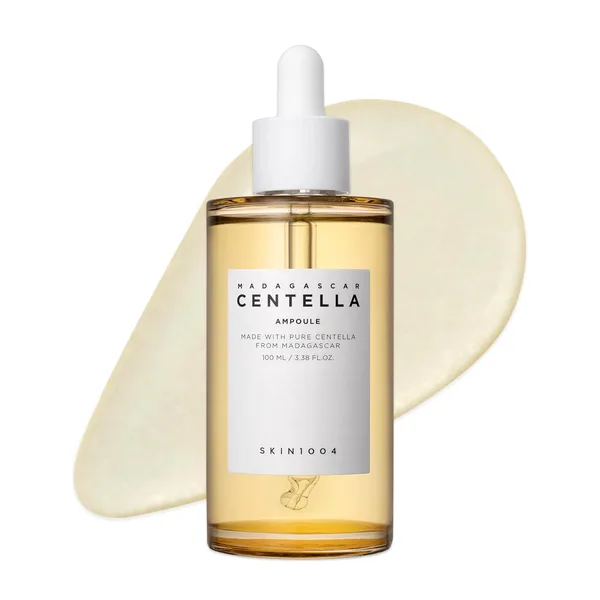
SKIN1004 Madagascar Centella Ampoule
This is the ampoule I recommend to almost everyone starting out, because it does one thing extremely well: calm reactive skin. The formula is 100% centella asiatica extract, with nothing to worry about irritation-wise. When my skin is red after a flight or dealing with post-breakout inflammation, I reach for this first. Results on redness are visible within a few days, sometimes faster. What it can't do: it won't brighten, it won't firm, it's not anti-aging in any meaningful way. It's a calming specialist and a very affordable one.
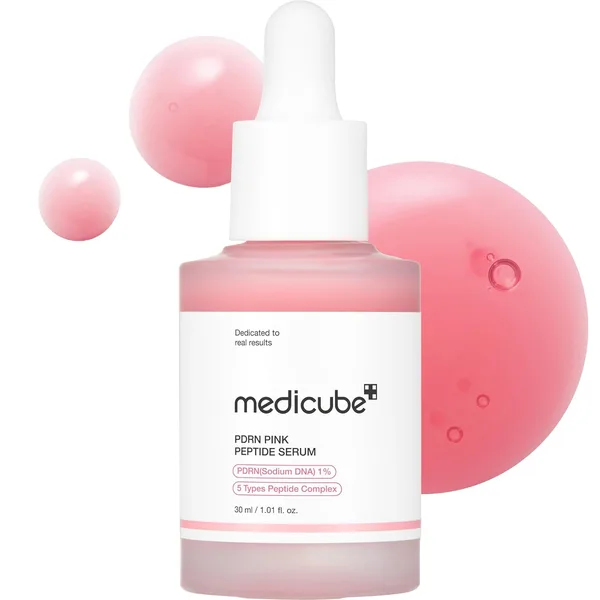
medicube PDRN Pink Peptide Serum
PDRN, which stands for polydeoxyribonucleotide and is derived from salmon DNA, has been used in clinical skin repair treatments in Korea for years. Getting it in an at-home ampoule at $35 is a genuinely good deal compared to what clinics charge. I use this at night, specifically for texture improvement and firmness. It takes time: I didn't notice real results until about 5 weeks in. What it can't do quickly: you won't see a visible difference in week one, and it won't address active breakouts. It's a slow, steady skin-quality investment.
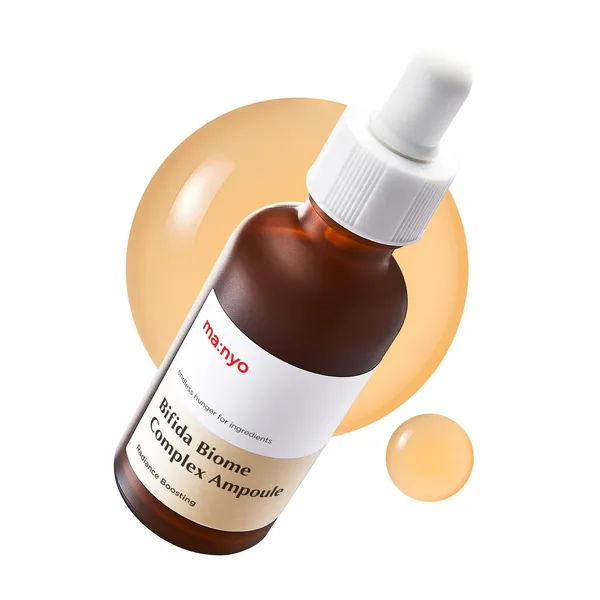
Manyo Factory Bifida Biome Concentrate Ampoule
If your skin barrier is in rough shape, bifida ferment is one of the most studied ingredients for repairing it. This ampoule pairs bifida ferment lysate with ceramides, so you're getting both the microbiome-supporting side and the lipid-barrier-rebuilding side in one product. I use this when my skin is going through a rough patch, usually after travel or after I've overdone it with exfoliants. The texture is a little richer than most ampoules, so if you have oily skin it may feel heavier than you'd like. Not a brightening product at all.
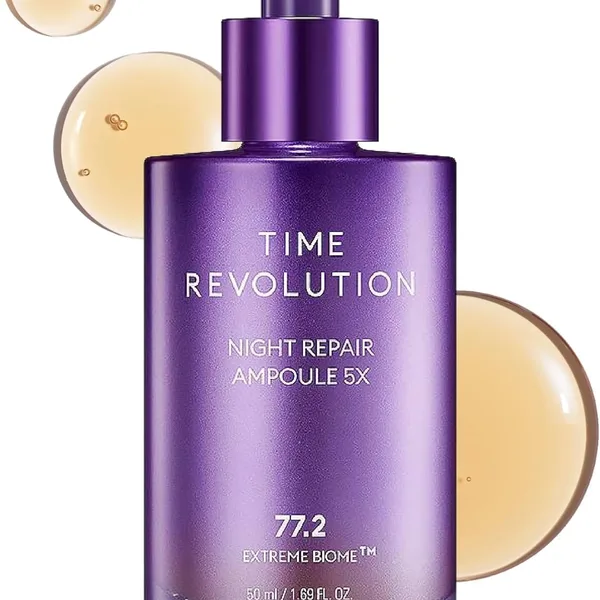
Missha Time Revolution Night Repair Ampoule
This ampoule has been around for years and still earns its reputation. The formula is built around fermented bifida and yeast, and the result is something that feels deeply nourishing without sitting heavy on the skin. I use this specifically at night when I want an anti-aging boost without adding another 10 steps to my routine. It layers well under a basic moisturizer and consistently improves how my skin looks in the morning: less puffiness, more evenness. It's not a quick-fix for anything specific, more of a long-term quality-of-skin product. If you have truly oily skin, the richness might be a bit much.
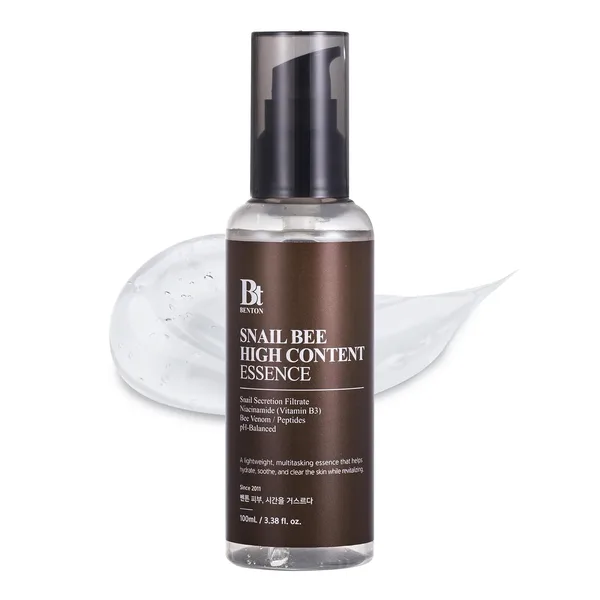
Benton Snail Bee High Content Essence
Technically marketed as an essence but packed with snail secretion filtrate and bee venom at concentrations that put most ampoules to shame. I use this for post-breakout marks: the snail filtrate supports healing and the bee venom has a mild firming effect. At $18 it punches well above its weight. The caveat: bee venom is a real ingredient, and if you have a bee allergy you should patch-test carefully before committing to full-face use. Also note this is not a calming product for redness, that's not what it does best.
Also Worth Knowing About
- → COSRX Snail Mucin Repairing Serum (~$25): 96.3% snail filtrate in a dedicated repair formula. Great if you want the snail benefits without the bee venom component. More focused on repair than brightening. Check on Amazon.
- → d'alba White Truffle First Spray Serum (~$38): White truffle ferment as the hero ingredient, with a mist delivery system that makes it genuinely fun to use. Good for antioxidant protection and a subtle radiance boost. Not the best choice if barrier repair is your priority. Check on Amazon.
- → Neogen Real Ferment Micro Essence (~$40): 93% fermented ingredients, including galactomyces and bifida. Considered a gold-standard for the essence-ampoule hybrid category. The price is real, and so are the results after 4-6 weeks of consistent use. Check on Amazon.
How to Add an Ampoule to Your Routine
Ampoules go between your essence and your moisturizer. That's the rule. Because they're concentrated, you want a clean, slightly damp base for absorption, which is why they come after your watery layers. Here's what a full routine looks like with an ampoule included:
Use 2-4 drops, warm between your fingertips, and press gently into your skin rather than rubbing. Rubbing disrupts absorption and can create friction on freshly-applied layers. Wait 30-60 seconds before moving to your moisturizer, especially with oil-based or richer ampoules.
How Long Before You See Results?
This is where I see the most unrealistic expectations, and it's worth being direct. The timeline depends almost entirely on which ampoule you're using and what concern you're targeting.
Redness and inflammation: 3-7 days
The SKIN1004 centella ampoule is the clearest example here. Centella works fast on surface inflammation. You'll often see a visible calming effect within a few days of consistent use, sometimes sooner if your skin is very reactive.
Barrier repair and hydration: 1-3 weeks
Bifida and ceramide-based ampoules like Manyo Factory improve the feel and resilience of your skin fairly quickly. The physical barrier rebuilds over a few weeks, and you'll notice your skin holding moisture better and reacting less to products.
Post-breakout marks and healing: 2-4 weeks
Snail and bee venom formulas (Benton, COSRX) improve healing and fade marks over a few weeks of daily use. You're not eliminating marks overnight, but the timeline is meaningfully shorter than doing nothing.
Firmness, texture, and anti-aging: 4-8 weeks minimum
PDRN and peptide-based ampoules like the medicube work at a cellular level on skin renewal. Cell turnover takes weeks. Don't evaluate these products before 6 weeks of consistent nightly use. If you stop at week 3 because you "don't see anything," you've wasted the bottle.
One practical tip: take a bare-faced photo with consistent lighting before you start an ampoule, then compare at 4 and 8 weeks. Skin changes happen gradually enough that you often can't see them in the mirror day to day. The photo comparison is almost always more revealing than trying to assess it daily.
Frequently Asked Questions
Is a K-beauty ampoule the same as a serum? +
Can I use an ampoule every day? +
Do I need an ampoule if I already use a serum? +
Where does an ampoule go in my skincare routine? +
Are K-beauty ampoules worth the price? +
More From KSkinBio
Snail Mucin in Skincare: The Science
What snail secretion filtrate actually does to skin, and which products use it at meaningful concentrations.
IngredientsPDRN & Salmon DNA Skincare: Explained
The clinical background on PDRN, how it's used in at-home products, and what to realistically expect.
K-BeautyFermented Ingredients in K-Beauty
Why bifida, galactomyces, and fermented yeast show up in so many K-beauty formulas, and what they actually do.
BeginnersKorean Skincare Routine for Beginners
Where to start, what actually matters, and how to build a routine that sticks without buying 10 products at once.