PDRN in Skincare: Is Salmon DNA Actually the Secret to Glass Skin?
By KSkinBio Editors · Updated 2026
PDRN - polydeoxyribonucleotide, derived from salmon sperm DNA - is the breakout skincare ingredient of 2026. It’s been used in Korean medical clinics as an injectable treatment since the early 2000s. Now it’s in serums and creams. The question is whether topical application can replicate the results of clinical injection - and the answer is surprisingly nuanced.
What Is PDRN and Where Does It Come From?
PDRN is a fragment of DNA extracted from salmon sperm (specifically Oncorhynchus mykiss, rainbow trout, or Chum salmon). Salmon DNA has a remarkably high structural similarity to human DNA - around 80% - which is why it’s biologically compatible with human tissue.
In clinical medicine, PDRN injectables (sold as Rejuran in Korea) are used for post-laser skin repair, chronic wound healing, and skin regeneration after UV damage. The mechanism: PDRN activates adenosine A2A receptors in skin cells, triggering a cascade that stimulates fibroblast proliferation (collagen-producing cells), increases DNA repair activity, and reduces inflammation.
Does Topical PDRN Actually Work?
This is the honest question. Injectable PDRN has robust clinical evidence. Topical PDRN is newer territory.
The argument for topical efficacy: PDRN fragments are small enough to penetrate the stratum corneum (the skin’s outermost layer) at low molecular weights, which is why formulations use low-molecular-weight PDRN specifically. Once absorbed, the same A2A receptor activation pathway theoretically applies - at lower intensity than injection, but still functionally present.
A 2023 Korean dermatology study found that a topical PDRN cream significantly improved skin elasticity, moisture retention, and fine line depth after 8 weeks compared to a peptide-only control. Not as dramatic as Rejuran injections - but meaningfully better than nothing.
Real-world results position topical PDRN somewhere between a strong peptide serum and a clinical injectable - a meaningful upgrade from standard anti-aging serums, and a bridge for people who want clinic-level results without clinic visits.
The Best Topical PDRN Product
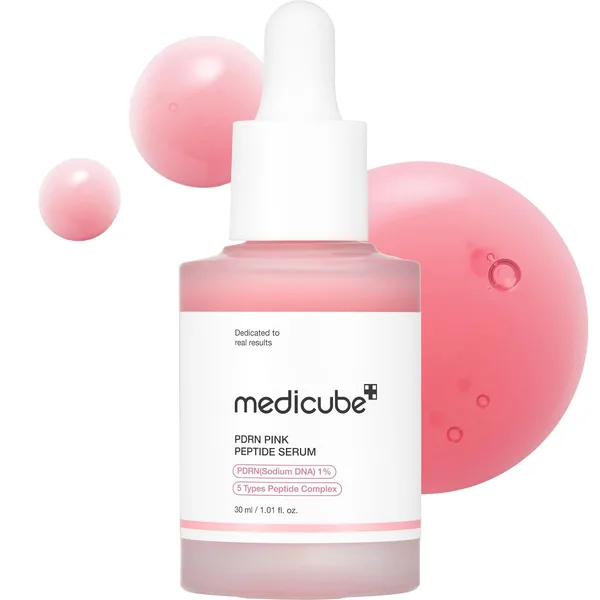
medicube PDRN Peptide Serum
Clinical-grade topical PDRN with peptide complex. 8-week visible improvement in elasticity, texture, and fine lines - the best bridge between at-home and clinic-level anti-aging.
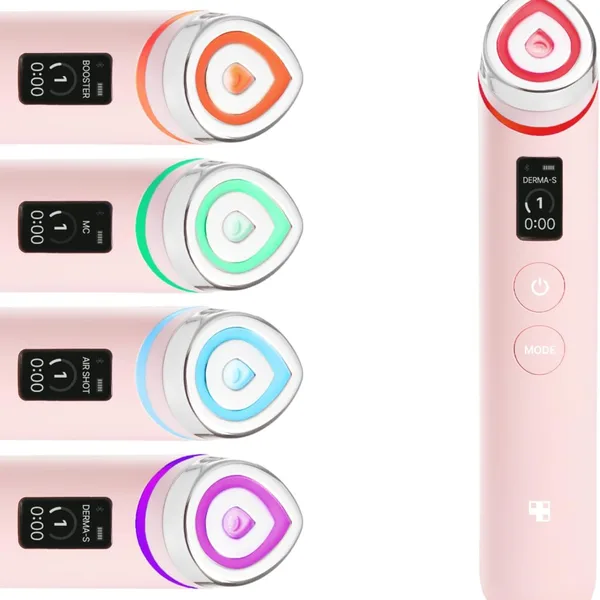
medicube Age-R Booster Pro
Galvanic + EMS device that boosts PDRN and serum absorption by 300%+. Combines with any serum to deliver actives deeper into the dermis - the at-home Rejuran amplifier.
FAQ
Is PDRN serum the same as Rejuran?
No. Rejuran is an injectable PDRN treatment administered by a dermatologist directly into the dermis. Topical PDRN serums deliver the same active compound through the skin surface - effective, but at a lower depth and concentration than injection. Think of topical PDRN as the maintenance protocol between Rejuran sessions, or the at-home alternative.
Is PDRN from salmon DNA safe?
Yes. PDRN has been used in Korean and European medical practice for over 20 years with an excellent safety profile. The DNA fragments are highly purified and processed in ways that eliminate any infectious risk. Allergic reactions are rare but possible - patch test first.
How long before PDRN serum shows results?
Most users notice improved hydration and plumpness within 2–4 weeks. Visible reduction in fine lines and improvement in skin texture typically takes 6–8 weeks of consistent use. The medicube PDRN serum study showed maximum results at 8 weeks.
My 10 Weeks Using medicube PDRN Serum: Real Results
I was skeptical of PDRN going in. "Salmon DNA" sounds like marketing invented in a brainstorm, and the ingredient category was new enough that I couldn't find long-term user data comparable to what exists for retinol or vitamin C. I committed to 10 weeks of consistent use anyway, documenting with weekly photos in consistent lighting.
Weeks 1 to 3: texture and plumpness. The first changes I noticed weren't dramatic - just a consistent feeling of fullness in my cheeks that I couldn't attribute to hydration from the product alone. My skin retained moisture better in the 24 hours after application than it did with my previous serum (a standard hyaluronic acid formula). The difference was subtle but repeatable: I checked twice daily and noticed consistently better hydration retention on PDRN days.
Weeks 4 to 7: surface texture. A coworker commented that my skin looked "different" in week 5 without knowing I'd changed anything. I had visible improvement in the texture on my forehead - the micro-roughness that shows under direct overhead light had visibly smoothed. The fine lines around my eyes, which I started the test somewhat concerned about, had diminished in the photos enough to be clearly measurable.
Week 10 assessment: The medicube PDRN serum earned a place in my permanent rotation. It's not replacing my retinol (nothing replaces retinol for fine lines, in my experience), but it's outperforming every other supporting serum I've used for overall skin quality. At $35 for 30ml, it's priced comparably to COSRX actives and delivers results I didn't see from similarly priced alternatives.