Fermented Ingredients in K-Beauty: Why They Work Better Than Regular Actives
By KSkinBio Editors · Updated 2026
Fermentation transformed Korean food (kimchi, doenjang, makgeolli) long before it transformed Korean skincare. The principle is the same: controlled microbial activity breaks down and enhances raw materials, producing something more bioavailable and potent than the original. In skincare, fermented ingredients have become the category that separates K-beauty from the rest of the market.
What Fermentation Does to Skincare Ingredients
The fermentation process works in three ways that matter for skin:
- Molecular size reduction. Fermentation breaks large molecules into smaller fragments. Hyaluronic acid, for example, penetrates skin more effectively at lower molecular weights. Fermented versions of plant extracts produce smaller active compounds that cross the skin barrier more efficiently than their unfermented counterparts.
- Bioavailability increase. Fermentation produces enzymes that pre-digest the active compounds into forms the skin can immediately use. Unfermented plant extracts often require enzymatic conversion in the skin to become active - fermented extracts skip this step.
- New compound creation. The microbial activity itself produces compounds not present in the original raw material: organic acids, vitamins, amino acids, and peptides that have their own skin benefits.
The Key Fermented Ingredients Explained
Galactomyces Ferment Filtrate
Derived from the yeast Galactomyces candidum, the same fermentation strain used in sake brewing. Contains amino acids, vitamins, and organic acids that brighten skin and accelerate cell turnover. The primary active in Missha Time Revolution and SK-II Facial Treatment Essence.
Bifida Ferment Lysate
Produced by fermenting the probiotic bacteria Bifidobacterium. Strengthens the skin microbiome barrier, stimulates collagen synthesis, and has anti-aging properties comparable to peptides. Bifida lysate is particularly effective for mature and sensitive skin types.
Saccharomyces Ferment Filtrate
Baker’s yeast ferment. Rich in B vitamins, beta-glucans, and amino acids that hydrate and soothe. Often used alongside galactomyces for a combined brightening + calming effect.
Lactobacillus Ferment
Lactic acid bacteria ferment that delivers postbiotic actives to the skin. Particularly effective at restoring the skin’s acid mantle pH after cleansing and supporting the microbiome of reactive skin.
Best Fermented K-Beauty Products
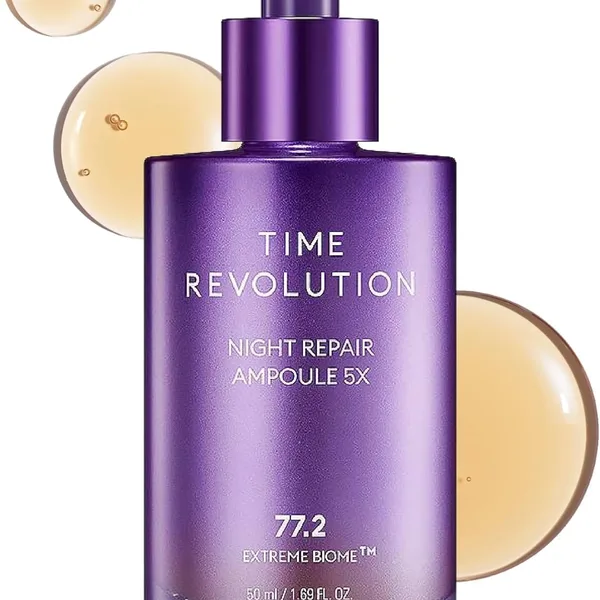
Missha Time Revolution The First Treatment Essence
80%+ galactomyces ferment filtrate. The original fermented essence that inspired an entire K-beauty category. Brightens, resurfacces, and accelerates cell renewal.
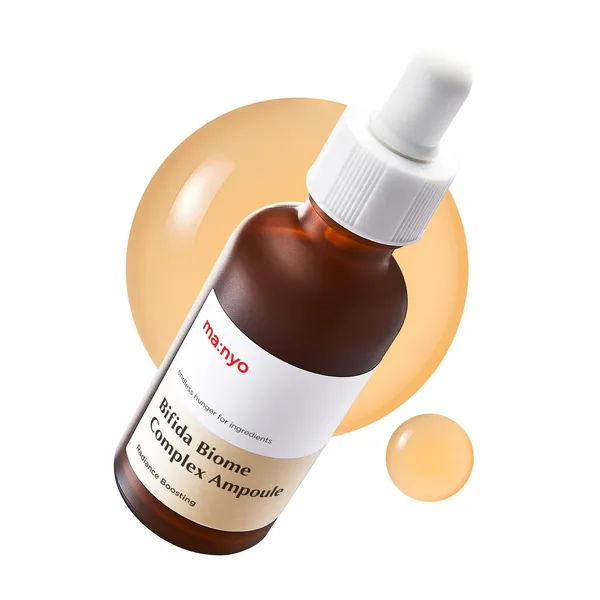
Manyo Factory Bifida Biome Ampoule
Bifida ferment lysate ampoule for microbiome strengthening, collagen boost, and age reversal. The PM repair step that works while you sleep.
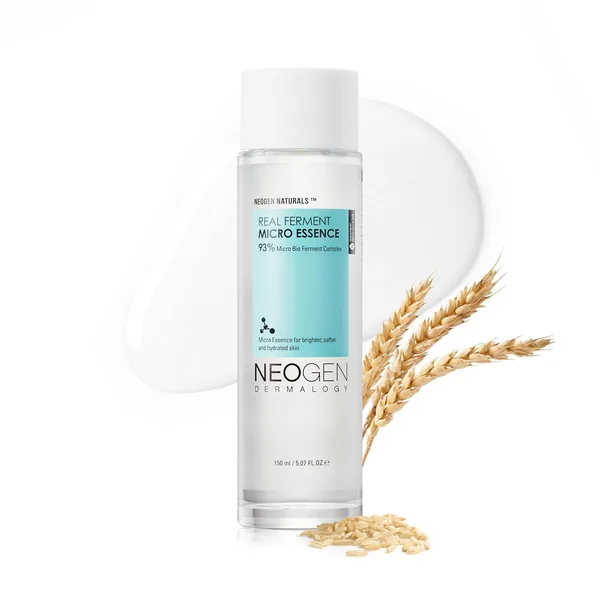
Neogen Real Ferment Micro Essence
96% fermented ingredients including bifida, galactomyces, and saccharomyces in a single formula. The most comprehensive fermented essence available.
FAQ
Are fermented skincare products safe for sensitive skin?
Generally yes. Fermentation breaks down many of the plant compounds that cause irritation in raw extracts. However, people with yeast sensitivities or fungal acne (malassezia) should be cautious with galactomyces-heavy formulas and prefer bifida or lactobacillus-based products.
Do fermented skincare products expire faster?
Counterintuitively, no. The fermentation process creates organic acids and antimicrobial compounds that actually extend the stability and shelf life of the product. Well-formulated fermented products are often more stable than conventional formulas.
How long does it take to see results from fermented essences?
Initial radiance improvement typically appears within 2–4 weeks. Significant cell renewal and anti-aging effects take 8–12 weeks of consistent daily use. Fermented essences are long-game ingredients - the results compound over months.
The Galactomyces vs. Bifida Debate: My Experience With Both
Galactomyces fermentation filtrate and bifida ferment lysate are the two most prevalent fermented ingredients in K-beauty, and they're frequently compared - and frequently confused. I've been using products featuring each for about 14 months, and here's what I've noticed in practice, separate from the mechanism explanations above.
Galactomyces first impressions are more dramatic. The SK-II Facial Treatment Essence (the original galactomyces product) and its K-beauty counterparts like SKIN1004 Galactomyces Vitamin C Glow Toning Serum produce a visible glow effect that's noticeable within a few weeks. The brightening effect of galactomyces on post-inflammatory hyperpigmentation (PIH) is faster than bifida in my experience. If I have a specific brightening goal - fading a dark spot, reducing dullness before a trip - galactomyces is my choice.
Bifida builds quietly. The Estee Lauder Advanced Night Repair and Lancôme Advanced Genifique are the Western anchors of bifida technology; in K-beauty, bifida appears in SkinBetter Science formulas and several IOPE products. The results are cumulative - my skin's resilience, barrier recovery speed after stress, and general tone improved over 6 to 8 months in ways that were clear looking at older photos but not obvious week-to-week. This is the right ingredient for long-term skin health investment, not quick visible wins.
Fungal acne note. If you have fungal acne (pityrosporum folliculitis), galactomyces products are a real risk. The yeast fermentation byproducts can feed Malassezia, the organism responsible for fungal acne. I switched to bifida-based products during a period of suspected fungal acne and it made a clear difference. The ingredient list checker at IsItFungalAcneSafe.com is useful for evaluating any new K-beauty product if this is a concern for your skin.