Centella Asiatica in K-Beauty: Why Cica Is Everywhere and How to Use It
By KSkinBio Editors · Updated 2026
Centella asiatica - also known as cica, tiger grass, gotu kola, or Indian pennywort - is now the most commercially prevalent plant extract in Korean skincare. It appears in toners, serums, creams, masks, cleansers, and sunscreens. But the range between a product with 0.1% centella and one with 100% is enormous. Here’s how to understand what you’re actually buying.
The Active Compounds in Centella
Centella asiatica contains four key active triterpene compounds:
- Madecassoside - the strongest anti-inflammatory compound in the plant. Inhibits the inflammatory cascade at multiple points. The reason cica works for redness and reactive skin.
- Asiaticoside - stimulates collagen synthesis. The anti-aging compound in centella. Has been shown to increase Type I collagen production in human fibroblast studies.
- Asiatic acid - antioxidant and anti-apoptotic. Protects skin cells from oxidative damage and premature death.
- Madecassic acid - wound-healing accelerator. The compound that makes cica cream effective for post-procedure and compromised skin.
The pharmaceutical designation for standardized centella extract is TECA (Titrated Extract of Centella Asiatica). When you see TECA on an ingredient list, you’re getting a precisely measured concentration of all four active compounds - not just whole plant extract where the active concentration is variable.
Why Concentration Matters (More Than the Label)
A product that says "with centella asiatica" on the packaging might contain 0.001% centella - a cosmetic trace amount that looks good on a label but provides no real therapeutic benefit. True cica products list centella asiatica high in the ingredient list (within the first 5 ingredients) or specify TECA at a defined concentration.
The benchmark: SKIN1004’s Centella Ampoule is 100% Centella asiatica extract water - the most concentrated non-TECA centella product available. Centellian24 uses TECA at pharmaceutical-grade concentrations. These are the two standards to measure other products against.
Best Cica Products by Concentration
SKIN1004 Madagascar Centella Asiatica Ampoule
100% centella asiatica water. Highest-concentration pure cica product available. No additives, no dilution - therapeutic-grade for reactive and damaged skin.
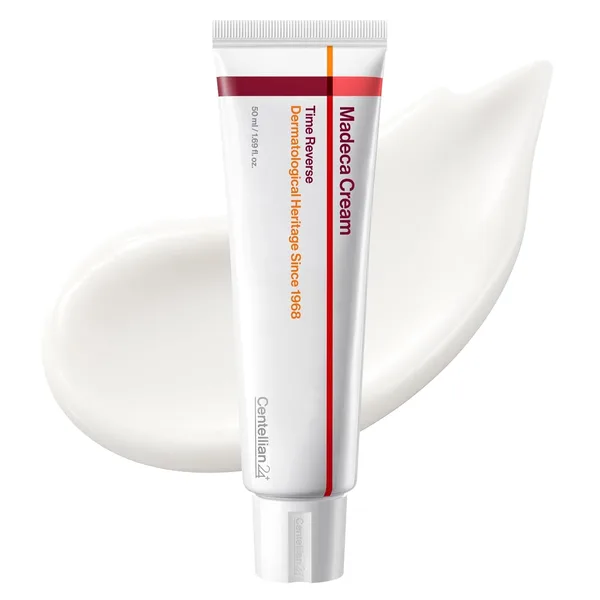
CENTELLIAN24 Madeca Cream
TECA (pharmaceutical-grade centella) at defined concentration. For serious barrier repair, redness reduction, and collagen stimulation.
When to Use Cica (and When It Won’t Help)
Centella works best for: Redness, post-acne marks, compromised barrier, perioral dermatitis, mild rosacea, post-retinol sensitivity, post-procedure healing, and general inflammation.
Centella won’t significantly help with: Deep acne scars (needs stronger resurfacing), melasma (needs targeted depigmentation treatment), severe cystic acne (needs prescription), or blackheads (needs BHA).
It’s one of the safest, most broadly applicable actives in skincare - but it’s a calming and repairing ingredient, not a transforming one.
FAQ
Can I use centella asiatica every day?
Yes - twice daily is appropriate and even recommended for compromised or sensitive skin. There’s no upper limit to daily cica use; it’s among the safest actives in dermatology.
Does centella asiatica help with keloid scars?
The research is promising. Asiaticoside has been shown to reduce fibroblast activity associated with hypertrophic scarring in several studies. It’s used in clinical scar treatment protocols in Korea. It won’t eliminate established keloids but can prevent their formation and reduce severity.
Is "cica" the same as "centella asiatica"?
Yes. "Cica" is the colloquial K-beauty abbreviation for centella asiatica, derived from cicatrice (the French word for scar). Tiger grass is another name for the same plant. All refer to Centella asiatica.
My Centella Routine: What I Use and When
Centella asiatica has been in my routine for about 2 years consistently. It started as a breakout-recovery tool and has become a baseline product I use regardless of my skin's current state. Here's how my centella use has evolved.
Year one: reactive use. I used centella specifically when my skin barrier was compromised - after heavy exfoliation, after a particularly stressful travel week, after a breakout flare that left redness. The Dr. Jart+ Cicapair Tiger Grass Cream was my go-to: thick, calming, reduces the redness visible within 2 to 3 hours of application. This is the right introduction to centella for most people - use it when you need it and notice the result, rather than committing to it blind.
Year two: proactive use. I shifted to using centella daily in my AM routine, not only reactively. The change was noticeable over 3 months: my skin's baseline redness (I have mild rosacea-type flushing) decreased and my recovery time from any irritation shortened substantially. Daily centella appears to build a kind of baseline anti-inflammatory state that makes stress events less severe. My current AM routine includes COSRX Pure Fit Cica Toner followed by SKIN1004 Madagascar Centella Hyalu-Cica Water-Fit Sun Serum SPF 50+ - two centella-forward products that stack easily.
What I avoid mixing with centella. High-strength retinol (0.5% and above) and centella on the same night produces too much occlusion for my oily T-zone and can cause congestion. I use centella in my morning routine and retinol at night - they naturally separate to maximize both actives without competition.