Niacinamide in K-Beauty: Why It's in Everything (and What to Actually Buy)
The most-used active in Korean skincare explained plainly: what it does, what percentage matters, and which products are worth your money.
About three years ago I had a drawer full of half-empty serums and zero results to show for any of them. A vitamin C that oxidized before I finished it. A retinol that left me peeling for two weeks. A hyaluronic acid that felt great but did basically nothing for the dark spots I actually cared about. A friend who works in cosmetic formulation looked at my routine and said, "You're skipping niacinamide." I didn't even know what it was. I looked it up that night, bought a $14 serum the next day, and started noticing a difference in my skin tone by week six. I'm not saying it's magic. I'm saying I've been including it in every routine I build since then, and the absence is always obvious.
What makes niacinamide interesting is that it isn't one-trick. It earned its place in K-beauty not because Korean brands stumbled onto a trend, but because the research genuinely supports using it for multiple concerns at once: uneven tone, enlarged pores, excess oil, and a damaged skin barrier. It also happens to be one of the cheapest actives in skincare. You're not paying for novelty here. You're paying for something that works, costs under $20 in most forms, and is nearly impossible to mess up. Let me explain how it works, why the percentage debates online are mostly noise, and which products I've actually kept in rotation.
⚡ Quick Takeaways
- ✓ Niacinamide is vitamin B3. It works by blocking melanin transfer, regulating sebum production, and reinforcing your skin barrier at the cellular level.
- ✓ 2% to 5% is the optimal range. Anything above 10% doesn't do more, it just increases your risk of flushing and irritation.
- ✓ The "niacinamide ruins vitamin C" claim is outdated. The chemical reaction people worry about only becomes relevant at very high concentrations and low pH levels that don't exist in real formulations.
- ✓ Results for tone and pores take 4-8 weeks. Oil control shows up sooner, sometimes within 2-3 weeks.
- ✓ Most K-beauty essences, toners, and moisturizers already contain niacinamide. You're likely getting it without knowing it.
What Niacinamide Actually Does
Niacinamide is a form of vitamin B3, which your body uses to produce two coenzymes: NAD+ and NADP+. Both of these are involved in cellular energy metabolism and antioxidant defense. When you apply niacinamide topically, it doesn't just sit on the surface; it gets taken up by skin cells and converted into these coenzymes, which then do real work. For hyperpigmentation specifically, niacinamide blocks the transfer of melanosomes (the packets of melanin pigment) from melanocytes to surrounding keratinocytes. It doesn't stop melanin from being produced, but it stops it from spreading. That distinction matters because it means niacinamide is gentler than many lightening agents, and it works even on existing discoloration rather than just preventing new spots.
The pore and oil story is a separate mechanism. Niacinamide reduces sebum excretion rate, which is the technical way of saying your skin produces less oil when you use it consistently. Smaller sebum output means pores don't stretch to accommodate buildup, which is why regular niacinamide users often report their pores looking visibly smaller after about six weeks. This isn't the same as physically shrinking pores (nothing does that permanently), but it's a real, observable change that holds as long as you keep using it.
The third major job is barrier repair. Niacinamide increases ceramide synthesis in the skin, which means it helps rebuild the lipid layer that keeps moisture in and irritants out. This is the main reason so many K-beauty products include it alongside strong actives like exfoliating acids or retinol: it softens the irritation those ingredients can cause while still letting them do their job. If your skin tends to react to everything, niacinamide used consistently for several weeks will often reduce that reactivity noticeably.
Niacinamide vs Other Common K-Beauty Ingredients
How niacinamide compares to the other actives you'll constantly see in K-beauty formulations:
| Ingredient | What It Does | Best For | Works With Niacinamide? | Irritation Risk |
|---|---|---|---|---|
| Niacinamide | Blocks melanin transfer, reduces sebum, rebuilds barrier ceramides | Dullness, oiliness, uneven texture, sensitive skin | - | Very Low |
| Vitamin C (ascorbic acid) | Antioxidant protection, inhibits melanin production at the source | Brightening, UV damage prevention, morning routines | Yes, at standard pH | Low-Medium |
| AHA (glycolic, lactic) | Exfoliates dead skin cells from the surface, smooths texture | Rough texture, dullness, mild hyperpigmentation | Yes, separate steps | Medium |
| BHA (salicylic acid) | Oil-soluble exfoliant that penetrates pores and clears congestion | Blackheads, acne-prone skin, clogged pores | Yes, niacinamide soothes | Low-Medium |
| Retinol | Accelerates cell turnover, stimulates collagen, reduces fine lines | Aging, deep hyperpigmentation, acne scarring | Yes, niacinamide buffers | High |
| Centella Asiatica | Calms inflammation, supports wound healing, soothes reactive skin | Redness, post-acne irritation, barrier repair | Yes, very complementary | Very Low |
| Hyaluronic Acid | Attracts and holds moisture in the skin; purely hydrating | Dehydration, plumping, layering under heavier actives | Yes, always | Very Low |
What Percentage Actually Matters
The skincare internet has a bad habit of treating higher concentrations as automatically better. With niacinamide, that logic breaks down pretty quickly. The majority of the clinical research supporting niacinamide's effectiveness was done at concentrations of 2% to 5%. A study published in the Journal of Cosmetic Dermatology showed meaningful reductions in hyperpigmentation at just 5% after eight weeks. The real work happens in that range. Going to 10% doesn't double the results; it mostly doubles the chance of your skin flushing or breaking out in small bumps, which is a known reaction for people sensitive to high-dose niacin-related compounds.
K-beauty brands have quietly understood this for years. Most of the formulas I use hover between 2% and 5%, often unlisted on the front of the bottle but verifiable by checking ingredient lists (niacinamide appearing in the first half of the list typically signals 2%+). The Some By Mi Yuja Niacin Gel Cream doesn't shout its percentage, but the ingredient placement tells you it's meaningfully dosed. Same story with the Anua Heartleaf Toner. These brands tend to formulate at effective levels without chasing the "10%+" marketing angle that Western brands have leaned into.
If you already own a product with 10% niacinamide and your skin is fine, there's no emergency. But if you've been skipping niacinamide because you can't find a high-percentage product you can afford, know that you're not missing anything meaningful. A $14 toner with 3% niacinamide used consistently for three months will outperform a $40 serum at 10% used twice a week.
The Niacinamide + Vitamin C Myth
You've probably read somewhere that you can't mix niacinamide and vitamin C because they'll react to form nicotinic acid, cause flushing, and cancel each other out. This was a concern that made sense on paper in the 1960s when it was first observed in lab conditions. Those conditions required high heat, a very low pH, and high concentrations of both compounds sustained over time.
Actual skin care formulations don't work that way. The pH of your skin, the dilution levels of both ingredients, and the short time they spend in contact make the niacinamide-to-nicotinic-acid conversion negligible. Cosmetic chemists across multiple independent labs have confirmed this repeatedly. You can use a vitamin C serum in the morning and follow it with a niacinamide moisturizer with no issue whatsoever. If you still feel nervous, just leave 10 minutes between steps. But the chemistry doesn't require you to.
The Products I Keep Coming Back To
These aren't the only niacinamide products worth using, but they're the ones that have stayed in my rotation. Each one earns its place for a different skin concern.
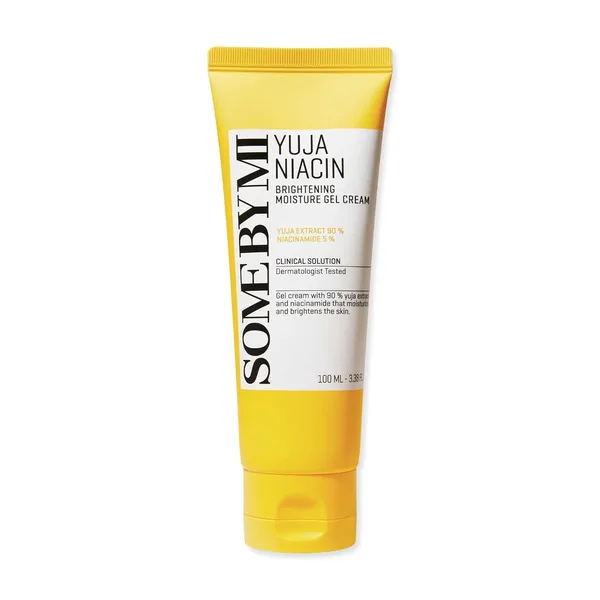
Some By Mi Yuja Niacin Brightening Moisture Gel Cream
This is the product I recommend most often to people who want to try niacinamide but aren't sure where to start. It's a gel cream, which means it absorbs cleanly and doesn't leave a heavy film. The pairing of niacinamide with vitamin C from yuzu is genuinely smart formulation work: you're getting both melanin transfer blocking and direct antioxidant brightening in one step. I used this as my sole moisturizer through an entire summer and my skin stayed more matte than usual. The honest caveat is that it's not rich enough for dry skin in winter. It works best for combination-to-oily or for layering under a thicker cream when temperatures drop.
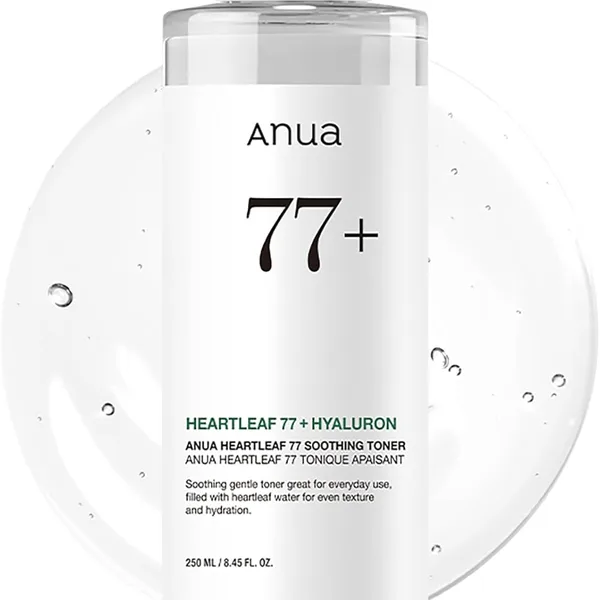
Anua Heartleaf 77% Soothing Toner
The Anua toner is built around heartleaf (Houttuynia cordata), a plant extract with documented anti-inflammatory properties, with niacinamide added to handle the oil and pore side of things. I started using it during a period when my skin was particularly reactive, red, and congested all at once. Within about three weeks, the redness around my nose and chin had calmed noticeably. It's a thin, watery texture that layers easily under everything else. The limitation is real: this is primarily a calming and pore-refining product, not a brightening one. If your main concern is dark spots, you'll want a more targeted brightening step on top.
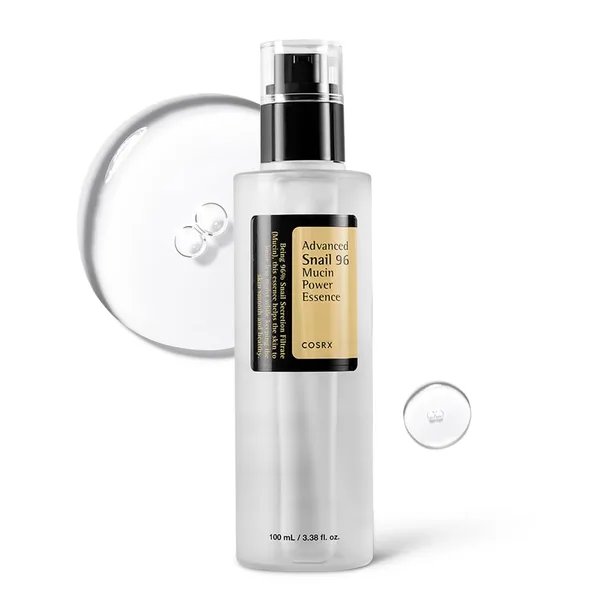
COSRX Advanced Snail 96 Mucin Power Essence
This is one of the few products I've repurchased more times than I can remember, and the niacinamide content is part of why. The snail mucin itself does the headline work: it's a cocktail of glycoproteins, hyaluronic acid, and glycolic acid that hydrates, repairs, and gently resurfaces at the same time. But the niacinamide is in there working alongside it, supporting barrier integrity and keeping tone even. The texture is the polarizing part. It's tacky when it goes on, and you need about 30 seconds for it to absorb before layering anything else. That's a small ask for what it delivers. What it won't do: it's not a strong brightening product. If post-inflammatory hyperpigmentation is your main concern, you need something with more targeted actives above this in your routine.
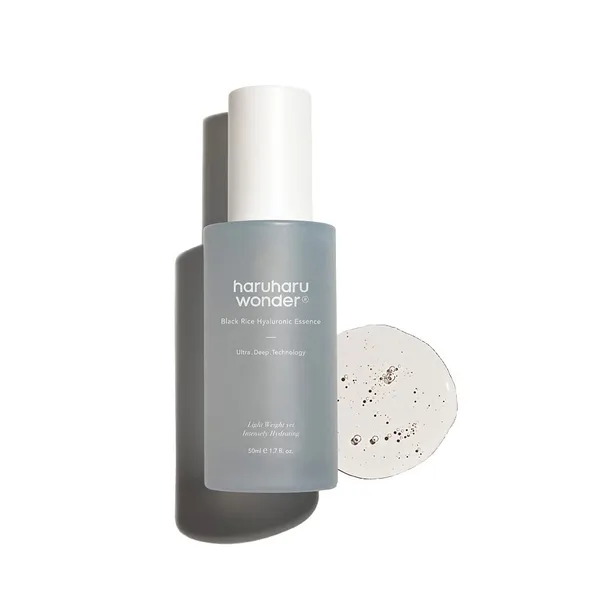
Haruharu Wonder Black Rice Hyaluronic Acid Serum
Haruharu's black rice serum is the one I reach for when my skin needs a hydration and glow reset at the same time. Black rice extract is rich in anthocyanins (the same antioxidants that make blueberries worth eating), and the hyaluronic acid gives it immediate plumping effect. The niacinamide ties everything together, working on tone and oil balance while the other ingredients handle moisture. It absorbs fast, plays nicely under sunscreen and makeup, and at $18 it's genuinely one of the better value serums I've used. The honest limitation: if your skin is very dry, this alone won't be enough moisture. It's a serum, not a moisturizer, and you'll want to seal it with something richer.
How to Add Niacinamide to Your Routine
Niacinamide is flexible. It works in toners, essences, serums, and moisturizers. Here's the routine order that makes sense, with notes on where each product type lands:
Frequently Asked Questions
Can I use niacinamide every day?
Yes, and you probably should. Niacinamide is one of the most well-tolerated actives in skincare. Most people use it morning and night without any issues. If you have very sensitive skin, start once a day and see how your skin responds over two weeks before doubling up.
What niacinamide percentage should I look for in K-beauty products?
Somewhere between 2% and 5% is the sweet spot. At 2%, you get real brightening and barrier support. At 5%, you start to see more noticeable pore and sebum effects. Concentrations above 10% are not better; they just increase the chance of flushing or irritation with very little added benefit.
Does niacinamide actually help with acne?
It helps more than most people expect, but not by killing bacteria. Niacinamide reduces sebum production, which starves the environment acne bacteria need to thrive. It also calms the inflammation that makes breakouts look angrier and linger longer. For active cystic acne you will still want a dedicated treatment, but niacinamide is a solid supporting player.
Can I layer niacinamide with retinol?
Yes, and it is actually a smart combination. Retinol can be drying and irritating, especially when you first start using it. Niacinamide applied before or after retinol (in separate layers) helps reinforce the skin barrier, which reduces flaking and redness. Many K-beauty routines pair the two intentionally for exactly this reason.
How long until I see results from niacinamide?
Expect four to eight weeks before you notice meaningful changes in tone and pore appearance. Oil control tends to improve faster, sometimes within two to three weeks. Hyperpigmentation fading takes the longest; give it a full 12 weeks before judging. Consistency matters more than concentration here.
More From KSkinBio
Affiliate disclosure: KSkinBio earns a small commission from qualifying Amazon purchases at no extra cost to you. Prices shown are approximate and may change. We only recommend products we've actually used and stand behind.