Korean Skincare for Dark Spots and Hyperpigmentation: What Actually Works
Updated August 2026 · 10 min read
The dark spots showed up after a bad breakout phase in my late twenties. Not dramatic, but persistent. One on my cheek that I watched for about six months before admitting it wasn't going anywhere on its own. I tried a handful of Western brightening serums in the $40-$80 range and saw nothing meaningful.
K-beauty changed that, mostly because it approaches hyperpigmentation as a multi-ingredient problem rather than a single-serum fix. The combination of vitamin C, arbutin, niacinamide, and gentle exfoliation working together is more effective than any one ingredient alone. And the price point for Korean products running these formulas is genuinely hard to beat.
⚡ What You Need to Know Upfront
- Timeline: Realistic improvement takes 8-12 weeks of consistent use. Not 2 weeks.
- SPF is non-negotiable: Without daily sunscreen, brightening actives work against themselves.
- Top K-beauty ingredients: Vitamin C, arbutin, niacinamide, AHA, tranexamic acid
- Best budget combo: Goodal vitamin C ($14.23) + Some By Mi AHA BHA toner ($14.36) + daily SPF
- Best overall pick: Beauty of Joseon Glow Serum with rice + arbutin ($18.00) - gentle enough for daily use
What Causes Dark Spots in the First Place
Hyperpigmentation happens when melanocytes (the cells that produce skin color) get triggered to overproduce melanin. Three main triggers: UV exposure, post-inflammatory response from acne or injury, and hormonal shifts. The dark patch you see is essentially excess melanin sitting in the upper layers of skin.
This matters for treatment because different ingredients work at different stages. Some block new melanin production (arbutin, niacinamide, kojic acid). Some increase cell turnover to shed existing pigmented cells faster (AHAs, retinol). Some neutralize the oxidative damage that triggers production in the first place (vitamin C). Most effective routines use at least two of these mechanisms together.
The 5 K-Beauty Brightening Ingredients, Compared
| Ingredient | How It Works | Strength | Irritation Risk | Timeline | Best Skin Types |
|---|---|---|---|---|---|
| Vitamin C | Antioxidant; blocks oxidative step in melanin production | High | Low-Med | 4-8 weeks | Most; avoid on inflamed skin |
| Arbutin | Inhibits tyrosinase enzyme, slows melanin production | Moderate | Very Low | 8-12 weeks | All types, incl. sensitive |
| Niacinamide | Blocks melanin transfer from cell to cell | Moderate | Very Low | 8-12 weeks | All types; great for oily |
| AHA (glycolic/lactic) | Exfoliates surface to shed pigmented cells faster | High | Medium | 4-8 weeks | Normal, oily; go slow on sensitive |
| Tranexamic Acid | Reduces melanin production + inflammation pathway | High | Very Low | 8-12 weeks | All types; great for melasma |
Combining two mechanisms (e.g. vitamin C + AHA, or arbutin + niacinamide) delivers faster, more reliable results than one ingredient alone.
The Products I Actually Use for This
These are the three I come back to. All under $20, all with strong ingredients, all gentle enough for daily use.
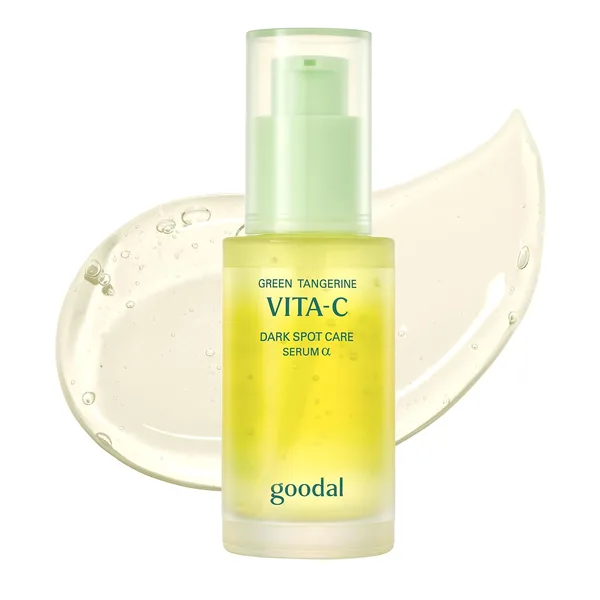
Goodal Green Tangerine Vitamin C Dark Spot Serum
5% vitamin C from green tangerine extract, which is more stable and less irritating than standard L-ascorbic acid. I've used this for years. It's one of the most consistent dark spot serums I've found at any price. Light texture, sinks in fast, no tacky residue. Apply it in the morning before moisturizer and SPF.
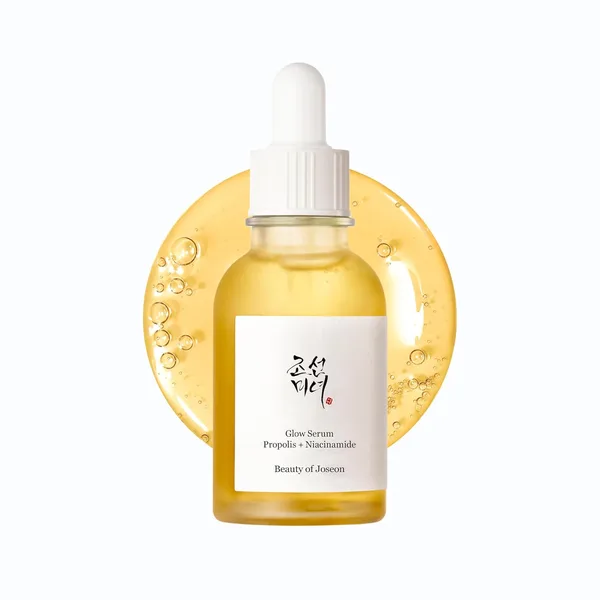
Beauty of Joseon Glow Serum (Rice + Arbutin)
This one surprised me. Rice extract brightens overall tone while arbutin works on concentrated spots. It's mild enough to layer under anything and gentle enough for daily use on sensitive skin. The difference between this and harsher vitamin C serums: no purging phase, no tingling, no adjustment period. Just start using it and let it do its job over a couple of months.
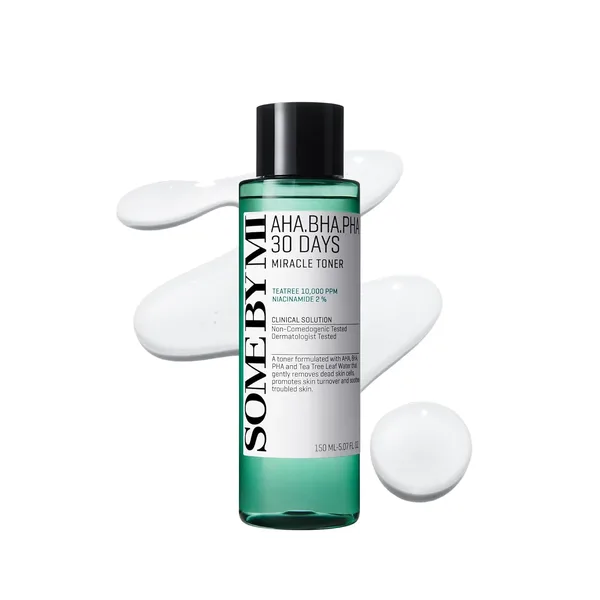
Some By Mi AHA BHA PHA 30 Days Miracle Toner
The exfoliation piece. AHA speeds up the shedding of pigmented surface cells. BHA clears pores to prevent the acne that causes new post-inflammatory marks in the first place. PHA adds mild exfoliation with extra hydration. Use this 3-4 times per week at night, not every day. Consistent use over 4-6 weeks will visibly even out skin texture and begin to fade surface-level spots.
How to Build a Dark Spot Routine Around These
The routine I'd recommend to anyone starting fresh:
- 1. Gentle cleanser
- 2. Hydrating toner (not exfoliating)
- 3. Goodal Vitamin C Serum
- 4. Moisturizer
- 5. SPF50+ (critical)
- 1. Double cleanse
- 2. Some By Mi AHA/BHA Toner (3-4x/week)
- 3. Beauty of Joseon Glow Serum
- 4. Moisturizer or sleeping mask
- 5. Nothing on top
Realistic Timeline: What to Expect Week by Week
This is where most people give up too early. Hyperpigmentation fades from the inside out, not the surface down. The melanin has to cycle out of your skin naturally. You can accelerate that cycle, but you can't skip it.
Skin adjusting
You won't see pigmentation changes yet. If using AHA for the first time, skin may look temporarily congested as cell turnover speeds up. This is normal. Don't stop.
Texture improvement
Overall skin tone starts looking more even. Texture improves noticeably. Existing dark spots may look slightly lighter at the edges.
Visible spot fading
This is when most people notice real change. Post-acne marks and recent spots (under 6 months old) show meaningful fading. Older spots start to lighten.
Significant improvement
Consistent users see 50-80% reduction in recent post-inflammatory marks. Older hyperpigmentation (years old, sun damage) takes 6+ months and may need stronger ingredients or professional help.
Without SPF, brightening actives don't work
This isn't a footnote. UV exposure triggers melanin production faster than any serum can suppress it. If you use vitamin C or arbutin without sunscreen every morning, you're in a losing race. The actives are fighting the same battle your sun exposure is constantly restarting. Wear SPF50+ PA++++. Every day. Even indoors near windows.
What About Niacinamide?
Niacinamide deserves its own mention. It blocks melanin transfer between skin cells, reducing how visible existing spots are even before they fully fade. It also regulates sebum and reduces redness, which makes it one of the most versatile K-beauty ingredients available. If you have oily, acne-prone, or combination skin, you almost certainly want niacinamide in your routine.
The Some By Mi Yuja Niacin Brightening Moisture Gel Cream combines niacinamide with yuzu citrus extract in a lightweight moisturizer format. It's a practical way to get consistent niacinamide exposure in a step you're already doing (moisturizing), without adding another serum to your lineup.
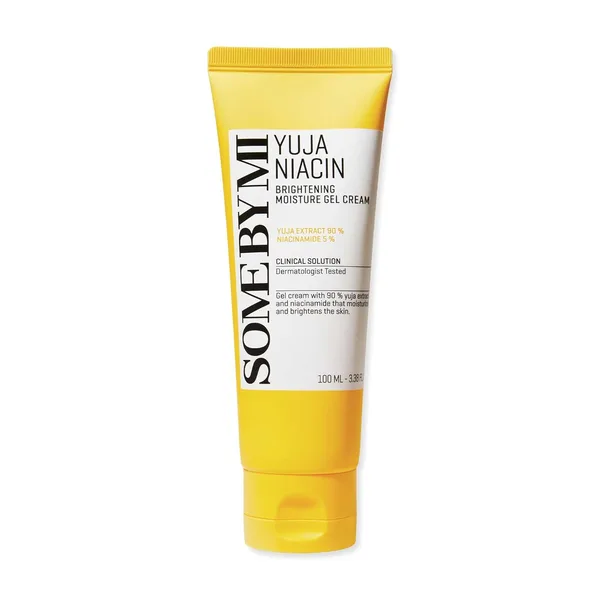
Some By Mi Yuja Niacin Brightening Moisture Gel Cream
Niacinamide + yuzu citrus extract in a lightweight gel-cream moisturizer. Blocks melanin transfer while hydrating. Works for oily and combo skin that would normally skip heavier creams. Good option if you want niacinamide in your routine without a dedicated serum step.
What Won't Work (and What You Don't Need)
A few honest notes on what not to expect or buy:
- ✕Brightening sheet masks as a treatment: Sheet masks give temporary glow but don't deliver enough active concentration or contact time to fade actual spots. Use them for hydration, not treatment.
- ✕Layering 4 different serums hoping for faster results: More actives, especially without knowing interactions, raises irritation risk. Start with one vitamin C or one brightening serum, add exfoliation, add SPF. That's all you need.
- ✕Dermaplaning or harsh scrubs: Physical exfoliation on hyperpigmented skin can create new micro-injuries that trigger more post-inflammatory marks. Chemical exfoliation (AHA/BHA) is gentler and more effective for this goal.
- ✕Old, years-deep sun damage expecting $20 results: Post-inflammatory marks from recent acne respond well to this routine. Deep melasma and decades of sun damage typically need professional treatment (laser, chemical peels) alongside topicals.
FAQ
Can I use vitamin C and AHA in the same routine?
Not in the same step, but yes in the same day. Use vitamin C in the morning (with SPF). Use AHA toner in the evening. Using both at the same time increases irritation risk without additional benefit.
How is post-acne hyperpigmentation different from active acne?
Post-acne marks (PIH) are flat, discolored spots left after a pimple heals. They're not active acne, they're pigmentation. The same ingredients that treat sun spots work on PIH: vitamin C, arbutin, niacinamide, AHA.
Is the Goodal vitamin C safe to use during pregnancy?
Vitamin C is generally considered safe in pregnancy. AHA-based exfoliants are also widely considered safe in low concentrations. However, avoid higher-concentration retinoids, hydroquinone, and some essential oils. Always check with your doctor for your specific situation.
Will these products work on darker skin tones?
Yes. All four products above are suitable for melanin-rich skin. The risk to watch for is over-exfoliating, which can create new PIH. Start the Some By Mi toner at twice a week max, then build up. Vitamin C and arbutin work well at all skin tones.
What's the single most important thing I can do for dark spots?
Wear SPF every morning without exception. Full stop. It prevents new damage from forming, stops UV from undoing your brightening work, and over time is the single highest-leverage habit for long-term even skin tone. The $16 Skin1004 sun serum makes this easy.
If I were starting this routine from zero:
I'd buy the Goodal vitamin C serum and the Some By Mi AHA/BHA toner first. That's $28.59 total for both, and that combination will give you results faster than anything else in this price range. Add SPF and stay consistent for 8 weeks before judging it.
Related Articles
Best Korean Sunscreen 2026: SPF That Feels Like Skincare
Read → exfoliator" class="group bg-white border border-pink-100 rounded-xl p-4 hover:border-pink-300 hover:shadow-sm transition-all">COSRX BHA vs AHA: Which Exfoliator Is Right for You?
Read →Haruharu Black Rice vs Goodal Vitamin C Serum
Read →