Korean Skincare Routine for Dry Skin: The Exact Products You Need
By KSkinBio Editors · Updated 2026
Dry skin isn’t just a texture issue - it’s a compromised skin barrier. Korean skincare has developed an entire philosophy around barrier repair that goes well beyond "apply more moisturizer." The right K-beauty routine for dry skin works on three levels: hydration (water), emollients (filling gaps in the barrier), and occlusives (sealing it all in). Here’s the exact routine.
The Dry Skin Routine: Step by Step
- Oil cleanser (PM) - Heimish All Clean Balm. Don’t strip your skin with harsh cleansers. The balm formula preserves moisture while removing impurities.
- Gentle cream cleanser - Low-pH, cream-based. Look for ceramide or hyaluronic acid in the formula. Avoid foaming cleansers that leave skin tight.
- Hydrating toner - applied in layers - Use the "7-skin method": apply your toner 3–7 times in thin layers, pressing each one in with your palms. This saturates the skin with humectants before you apply richer products.
- Essence - COSRX Snail 96 or Missha Time Revolution. Fermented essences add a dense layer of barrier-repairing hydration before serums.
- Serum - Torriden Dive-In HA Serum or Haruharu Black Rice Serum. For dry skin, prioritize hydrating serums over active ones in the morning routine.
- Rich moisturizer - Centellian24 Madeca Cream or Etude SoonJung Barrier Cream. Must contain ceramides or centella asiatica for real barrier repair.
- Facial oil or sleeping mask (PM) - Final occlusive layer. Squalane, rosehip, or the Laneige Water Sleeping Mask.
- SPF (AM) - A hydrating sunscreen, not a matte-finish one. Look for SPF with hyaluronic acid in the formula.
The Hero Products for Dry Skin
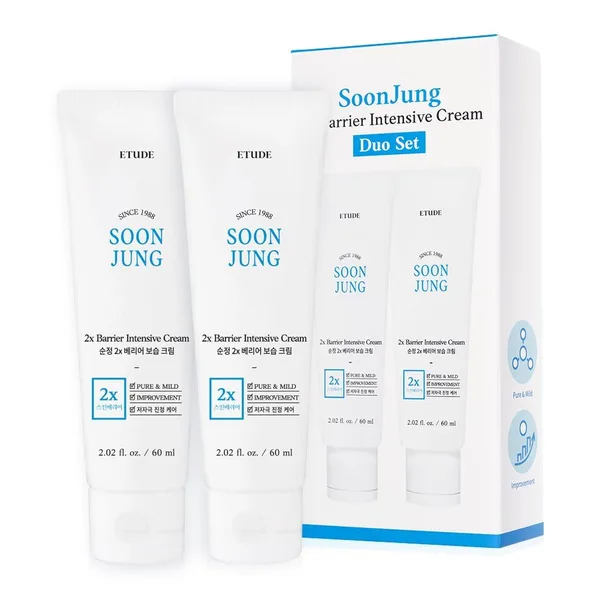
Etude SoonJung 2x Barrier Intensive Cream
Fragrance-free, minimal-ingredient barrier cream with panthenol and madecassoside. The best affordable option for compromised dry skin.
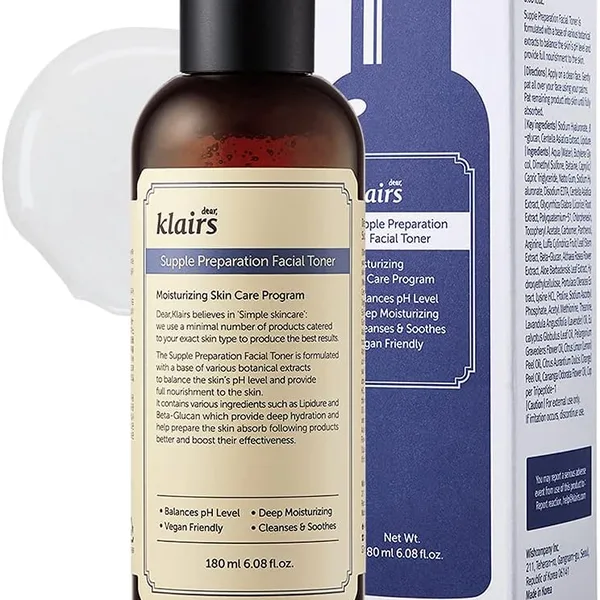
Klairs Supple Preparation Toner
Hydrating first toner with HA and skin-identical fatty acids. Apply in multiple thin layers for the 7-skin method.
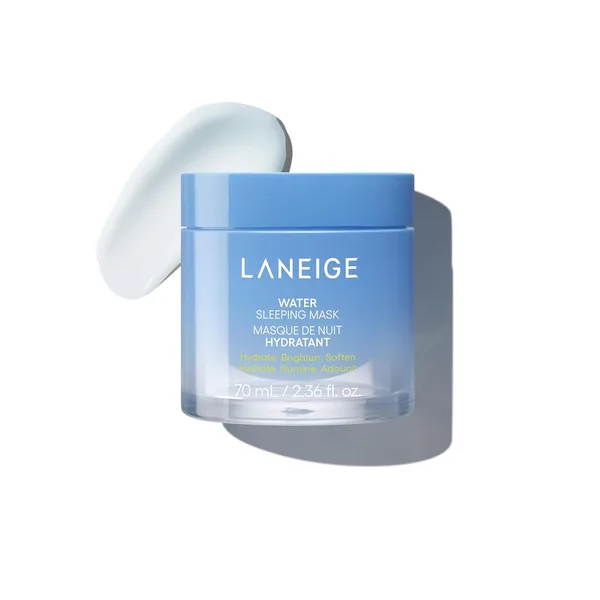
Laneige Water Sleeping Mask
Final occlusive step. Overnight mask with sleep-biome technology that locks in moisture and delivers glass skin by morning.
What to Avoid if You Have Dry Skin
- Foam cleansers with sulfates: Sodium lauryl/laureth sulfate strips the lipid layer. Use only gentle, cream or gel formulas.
- Alcohol-heavy toners: Drying alcohol (ethanol, denatured) evaporates quickly and takes your skin’s moisture with it.
- Over-exfoliation: AHAs more than once a week will worsen dry skin. Exfoliate maximally once a week to remove flaking, then moisturize heavily.
- Mattifying products: Any product designed to control shine is the enemy of dry skin. Read labels for silicates and mattifying agents.
FAQ
What is the 7-skin method and does it work?
The 7-skin method involves applying toner 3–7 times in thin layers, pressing each layer in before applying the next. It works exceptionally well for dry and dehydrated skin - each layer saturates skin with humectants more effectively than one thick application. Start with 3 layers and increase if your skin wants more.
Is dry skin the same as dehydrated skin?
No. Dry skin is a skin type - genetically low sebum production. Dehydrated skin is a skin condition - lack of water that can affect any skin type including oily. Dry skin needs both oil and water; dehydrated skin primarily needs water and humectants.
Can I use sheet masks every day for dry skin?
Daily sheet masking is fine for dry skin as long as the formula is gentle and fragrance-free. 2–3 times per week is the practical sweet spot. Daily use can occasionally lead to sensitivity if the mask formula contains preservatives at skin-irritating concentrations.
Winter vs. Summer: How My Dry Skin Routine Changes by Season
My dry skin has a seasonal pattern that took two full years of skincare attention to fully map. Winter requires meaningfully different products than summer - not just "a richer moisturizer," but a different strategy across the whole routine.
Winter additions. I add a ceramide serum (Torriden Dive-In or Dr. Jart+ Ceramidin Cream depending on the dryness severity) between my essence and moisturizer steps. Indoor heating is the real enemy of dry skin in winter - forced-air heating drops indoor humidity to 20 to 30%, and my skin responds by losing transepidermal water at a higher rate within 2 hours of application. A ceramide layer between hydrators and occlusive moisturizer measurably extends the hydration window. I also add the Laneige Lip Sleeping Mask every single night - my lips are the first place I notice dry air damage.
Summer simplification. In summer, my skin produces slightly more natural sebum and needs less occlusion. I swap from a thick cream moisturizer to a gel-cream (COSRX Oil-Free Ultra-Moisturizing Lotion) that delivers hydration without the heavier emollients that can feel sticky or greasy in warm weather. Sheet masking decreases from 3 times to once a week because the environment is providing more ambient moisture. My toner layer stays the same year-round; it's the serum and moisturizer steps that shift.
The humidity rule I follow. If indoor humidity drops below 40% (measurable with a $12 hygrometer), I add an occlusive final layer to my nighttime routine - either the Laneige Water Sleeping Mask or a thin layer of Aquaphor on the driest patches. This is the fastest intervention for dry skin flares in winter and prevents the cycle of dehydration-barrier damage-inflammation that makes dry skin seasons so miserable.