Korean Skincare Routine for Combination Skin: The Balanced Approach
Published May 1, 2026 · 8 min read
For years my skincare routine was basically a game of whack-a-mole. I'd find a great hydrating moisturizer that finally stopped my cheeks from flaking, and within two weeks my T-zone looked like an oil slick by noon. So I'd switch to something lighter and more matte-finish, and three days later my cheeks would be pulling tight again. The moment I thought I'd solved one problem, the other would flare back up. Every "combination skin" product I bought was marketed like it could do both things at once, but in practice it always leaned one way or the other.
Korean skincare changed how I think about this entirely. The layering philosophy, the focus on lightweight water-based hydration, and the willingness to use different products on different zones without turning it into a full second routine, that approach genuinely works for combination skin in a way that the Western "one moisturizer to rule them all" approach doesn't. This is what my routine looks like now, and why it's the first one that hasn't had me constantly swapping products every few weeks.
⚡ Quick Summary: What Combination Skin Actually Needs
What Combo Skin Needs
- ✓ Lightweight hydration that doesn't feed oil production
- ✓ BHA exfoliation 2-3x per week to keep pores clear on the T-zone
- ✓ Hyaluronic acid targeted to dry areas, not slathered everywhere
- ✓ A pH-balancing toner before everything else
- ✓ A non-comedogenic sunscreen that won't turn greasy
Morning at a Glance
- 1. Gentle water cleanse
- 2. pH-balancing toner (all over)
- 3. Lightweight serum
- 4. Gel-cream moisturizer
- 5. SPF50+ sun serum
Evening at a Glance
- 1. Oil/balm cleanser
- 2. Gentle second cleanser
- 3. BHA (2-3x week) or toner
- 4. Serum (HA on cheeks)
- 5. Lightweight moisturizer
Biggest Mistake Combo Skin People Make
Applying a rich moisturizer everywhere because one zone is dry. Your T-zone and cheeks need different amounts of moisture, and the Korean layering system is designed exactly for that.
What Combination Skin Actually Means
Combination skin gets described as "mostly normal with some oiliness" in a lot of Western skincare guides, which is genuinely unhelpful. In reality, combination skin is two different skin types living on the same face, and they have almost opposite needs. The T-zone (forehead, nose, chin) produces excess sebum, has larger pores, and is prone to blackheads and midday shine. The cheeks are often dehydrated, sometimes flaky, and react to lightweight products with that uncomfortable tightness.
The reason most Western moisturizers fail combination skin is simple: they're formulated as a single solution. A rich cream gives the cheeks what they need but clogs the T-zone and accelerates oil production. A lightweight gel is perfect for the T-zone but leaves the cheeks underwhelmed by lunchtime. The whole "oil-free = good for oily skin" framing also misses the point, because oil-free products can still be too heavy or too occlusive for an oily T-zone.
K-beauty doesn't try to solve this with one product. Instead, the layering system means you can apply base layers that work for the whole face, then add zone-specific steps on top. An extra press of HA toner on the cheeks, a targeted BHA on the T-zone, a lighter finishing layer where you're oilier. That flexibility is the whole point.
How K-Beauty Handles Combination Skin vs. the Western Approach
| Challenge | Western Approach | K-Beauty Approach | Why K-Beauty Wins |
|---|---|---|---|
| Oily T-zone | Mattifying primer or salicylic cleanser | BHA exfoliant 2-3x weekly, lightweight toner | Treats the root cause (congested pores) rather than masking shine |
| Dry, tight cheeks | Rich moisturizer applied everywhere | HA toner pressed into cheeks, lightweight gel-cream | Delivers hydration without adding heaviness across the whole face |
| Uneven texture | Physical scrub or single-acid exfoliant | Multi-acid toner (AHA/BHA/PHA) 2x per week | Gentler on dry zones while still clearing congestion on oily areas |
| SPF without grease | Moisturizer with SPF (often heavy) | Dedicated water-fit sun serum, no white cast | Higher SPF, lighter texture, won't congest T-zone pores |
| Balance without stripping | Toners with alcohol or astringents | pH-balancing toners with niacinamide and soothing extracts | Balances sebum without triggering rebound oil production |
The Morning Routine
Goal: hydrate both zones, prep the T-zone, protect from UV without adding grease.
Water Rinse or Gentle Cleanser
In the morning, I skip the full cleanse. A water rinse is enough to remove what settled on your skin overnight. If you feel like you need a cleanser, use the gentlest foam you have, not the same one you'd use at night. Over-cleansing in the morning is one of the fastest ways to trigger rebound oiliness from the T-zone.
pH-Balancing Toner
This step does more work than it looks like. A good pH-balancing toner preps the skin for everything that follows and delivers its own round of lightweight hydration. My daily go-to is the Anua Heartleaf 77% Soothing Toner (~$18). The heartleaf calms redness and the niacinamide helps with pore appearance over time, which is exactly what the T-zone needs. It's not going to fix deep hyperpigmentation on its own, but it does steady things out. I press it in gently with my palms rather than swiping with a cotton pad, which wastes product and irritates.
Lightweight Brightening Serum
Not every day requires a heavy treatment serum. In the morning, I want something that works for both zones without requiring me to spot-apply. The Beauty of Joseon Glow Serum with Rice and Arbutin (~$18) fits that perfectly. It's thin enough to layer without adding weight to the T-zone, and the arbutin gives a steady brightening effect that shows up around the six-week mark. It won't treat active breakouts, so if that's your concern, a niacinamide serum might serve you better here.
Gel-Cream Moisturizer
This is where most combination skin people go wrong. The moisturizer has to be genuinely lightweight, not just "lightweight" as a marketing word on a thick cream. The Rovectin Clean Lotus Water Cream (~$28) is the one I keep coming back to. It sits in that gel-cream texture zone where it hydrates enough for the cheeks without adding a heavy occlusive layer to the T-zone. The one real limitation: it won't be enough for severely dry or compromised skin. If your cheeks are actively flaking, you'll want to add a targeted occlusive on top of just that area at night.
SPF50+ Sun Serum
Sunscreen is non-negotiable, and for combination skin the formula matters as much as the SPF number. The Skin1004 Hyalu-Cica Water-Fit Sun Serum ($15.99) has SPF50+ PA++++ and applies like water. No white cast, no greasiness by midday, no pilling over the layers underneath. The one thing it can't do is replace a dedicated moisturizer because it doesn't have the occlusive components to lock in hydration. Apply after your moisturizer as the final morning step.
The Evening Routine
Goal: fully remove SPF and daily buildup, treat the T-zone, restore hydration to both zones overnight.
First Cleanse: Oil or Balm
Double cleansing is the evening anchor. The first step dissolves SPF, sebum, and anything water-based cleansers can't touch. For combination skin, you want something that rinses completely clean without leaving a film. I use the Heimish All Clean Balm (~$14) on most nights. It transforms into a milky oil on contact and rinses away without residue, which means the T-zone doesn't end the cleansing step already feeling congested. On heavy sunscreen days, the Anua Heartleaf Pore Control Cleansing Oil (~$20) breaks down product faster and has a genuine pore-tightening effect after rinsing.
Second Cleanse: Gentle Foam or Gel
The second cleanse is short: under 60 seconds, gentle pressure, rinse with lukewarm water. You're just removing the residue from the oil cleanse, not starting over from scratch. Anything harsher will strip the moisture you're about to add back in. A pH-balanced foam or gel cleanser is the right call here.
Exfoliation (2-3x per week) or Toner
On exfoliation nights, I reach for the COSRX BHA Blackhead Power Liquid (~$25). The 4% betaine salicylate concentration is strong enough to clear congestion in the T-zone without being as aggressive as a traditional salicylic acid. I apply it only to the nose and forehead, wait 20 minutes, then continue. On off nights, I use the Round Lab 1025 Dokdo Toner (~$19) all over, which hydrates without heaviness and keeps the skin barrier steady between exfoliation sessions. If I want to go harder on exfoliation nights, the Some By Mi AHA BHA PHA 30 Days Miracle Toner ($14.36) is a solid pick for tackling congested T-zone texture, though the combination of acids means you should ease into it slowly.
Targeted Serum (Zone-Specific)
Evening is when I do most of my zone-specific work. The Haruharu Wonder Black Rice Hyaluronic Acid Serum (~$18) goes over the whole face first as a base hydration layer. Then I press a few extra drops of the Isntree Hyaluronic Acid Toner (~$17) onto just the cheeks. The 50% HA concentration is genuinely different from thinner HA products, and the cheeks drink it up. I skip the extra layer on the T-zone entirely. It sounds fussy but it takes about 30 seconds.
Lightweight Moisturizer
Same moisturizer as the morning: the Rovectin Clean Lotus Water Cream. At night I might go a touch heavier on the cheek application, but I still avoid layering a rich cream on top all over. The goal is to seal in the hydration layers underneath, not add an entirely new heavy texture on top. If the cheeks still feel dry in the morning, I'll add a thin layer of vaseline only on the cheekbones as the last step, but that's a once-in-a-while thing, not a nightly habit.
The Biggest Mistake: Using Heavy Moisturizer Everywhere
The most common thing I see combination skin people do is grab a richer cream because the cheeks are flaking, then complain about being oily all day. Here's what happens: the dry cheeks genuinely need more moisture, so you upgrade your moisturizer. But now the T-zone is getting twice the product it needs, which clogs pores and triggers even more oil production. By week two, you're oilier than before and the cheeks still aren't satisfied because rich creams often sit on top of the skin rather than absorbing into it.
The fix is targeted layering, not a heavier formula. A lightweight all-over moisturizer plus strategic extra layers on the cheeks only solves both problems without making either one worse.
The Products That Work for Both Zones
These are the products I keep reaching for because they genuinely serve the whole face. Not perfect for everything, but good enough for both zones that you're not stuck making a sacrifice.
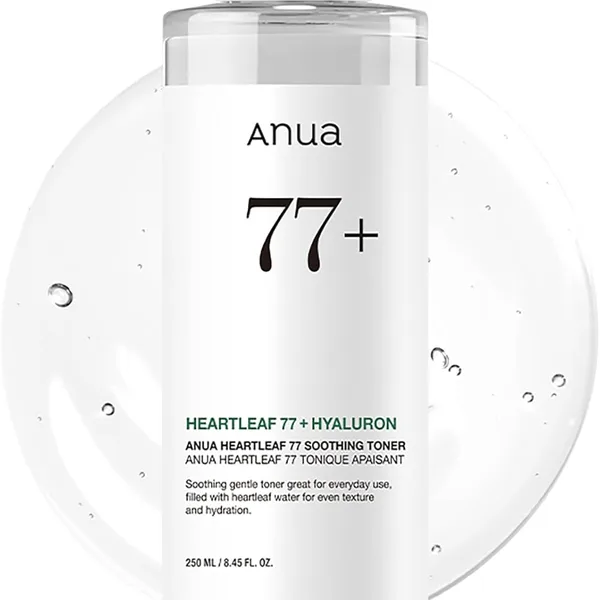
Anua Heartleaf 77% Soothing Toner
This is my first-step toner every single morning. The 77% heartleaf concentration calms any redness the T-zone is holding onto, and the niacinamide works quietly in the background to tighten up pore appearance over time. It's not a dramatic "one bottle fixes everything" product, but it steadies the whole face every day without asking anything complicated of you. The one limitation: it won't deeply hydrate parched, flaky cheeks on its own. It's a balance-and-prep toner, not a treatment toner.
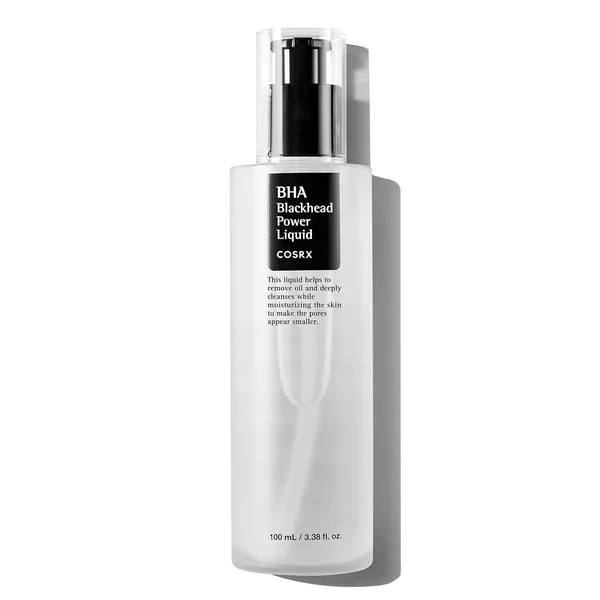
COSRX BHA Blackhead Power Liquid
If you have combination skin and you're not using a BHA, this is the place to start. The 4% betaine salicylate is oil-soluble, which means it actually gets into the pores on the T-zone and clears out the congestion that causes blackheads and midday shine. I noticed a difference in my nose texture within three weeks of using it twice a week. It does require the full 20-minute wait time before layering, which feels inconvenient but it genuinely matters. And it won't do much for the dry cheeks, so don't apply it there unless you're targeting a specific breakout.
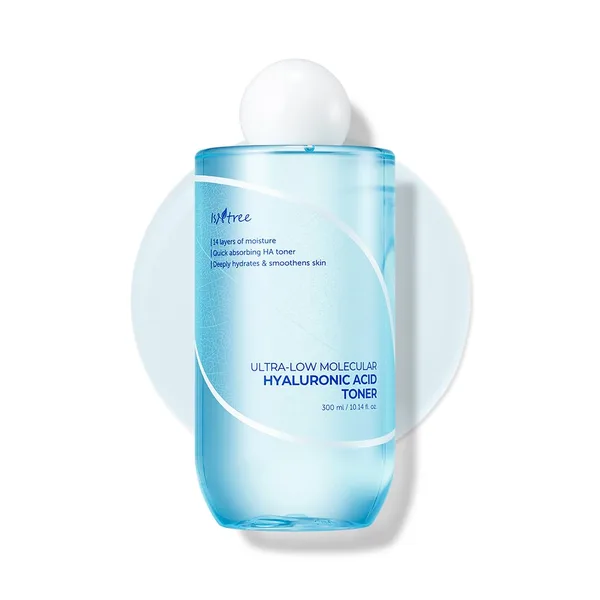
Isntree Hyaluronic Acid Toner
The 50% hyaluronic acid concentration in this toner is higher than almost anything else in this price range, and it shows. I press three to four drops onto just my cheeks on evenings when they're feeling particularly tight or dull. It absorbs fast, doesn't leave a sticky residue, and by morning the cheeks actually feel plump instead of taut. What it can't do is replace a moisturizer. Hyaluronic acid draws moisture from the environment, so if you live somewhere dry or use it without sealing it in, it can actually pull moisture out of your skin. Always layer something on top.
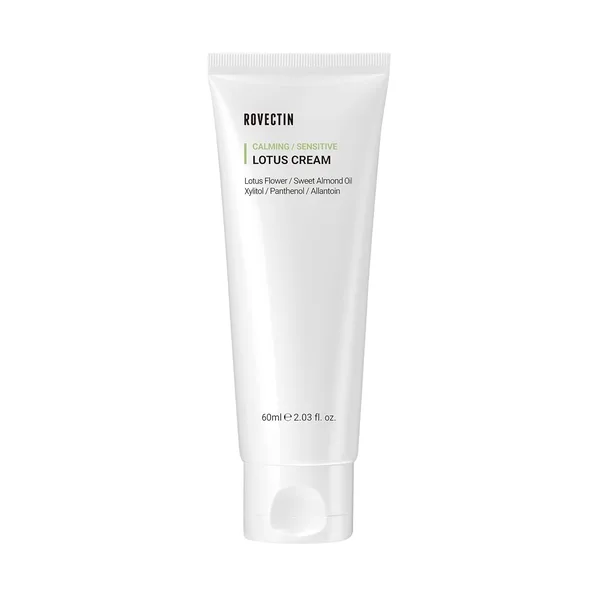
Rovectin Clean Lotus Water Cream
Every combination skin person needs one moisturizer that can honestly serve both zones, and this is mine. The gel-cream texture absorbs in about 30 seconds without a tacky finish, which means it's not going to compound any oiliness by noon. The lotus extract adds a genuine soothing note that I notice most during breakout-prone weeks. It's on the pricier end for what it is, and if your skin is severely dry you'll need to supplement with zone-specific layering. But as a base moisturizer that works everywhere without compromise, I haven't found anything I like more.
Zone-Specific Tips (Without Running Two Separate Routines)
The key insight here is that you don't need two full routines. You need one base routine with a few strategic add-ons depending on which zone is acting up.
⸻ T-Zone Tips
- 01 BHA 2-3x per week, not more. More frequent use makes your skin produce more oil as a defensive response. Twice a week for a month, then adjust based on what you see.
- 02 Don't skip moisturizer on the T-zone. Skipping moisture makes oily skin produce more sebum. A lightweight gel-cream is the answer, not going bare.
- 03 Niacinamide is your friend. It regulates sebum production over time. Look for it in toners and serums rather than dedicated niacinamide-only treatments that can be high-concentration and irritating.
- 04 Blotting papers, not powder. Powder on top of a K-beauty routine disrupts the layers. A single blotting paper pass at noon is cleaner and doesn't trigger additional dryness on the cheeks.
⸻ Cheek Tips
- 01 Layer your toners. Apply your base toner everywhere, then press an extra half-dose of the Isntree HA Toner onto just the cheeks. It takes 20 extra seconds and makes a real difference.
- 02 Apply moisturizer to cheeks while skin is still slightly damp. The residual moisture helps HA bind properly. Dry skin after toner then moisturizer means you're working against the formula.
- 03 Skip active exfoliants directly on cheeks. When you use BHA or AHA, focus it on the T-zone. The cheeks can handle gentle exfoliation but they don't have the same congestion issues and don't need the same frequency.
- 04 Occlusive at night if needed. A thin smear of a balm or petrolatum on very dry cheek patches before bed is fine and won't affect the T-zone. Just don't apply it to the nose or forehead.
One toner worth mentioning for people who want a gentler, slightly richer hydration option than the Anua is the Klairs Supple Preparation Facial Toner (~$22). It's thicker than most pH-prep toners and gives the cheeks more upfront comfort. The trade-off is that it's slightly heavier for the T-zone, so I use it on evenings when I'm not exfoliating and my skin needs more of a reset. It's a seasonal swap for when the weather gets drier.
Frequently Asked Questions
Can combination skin use the same moisturizer everywhere? ⌄
How often should combination skin exfoliate? ⌄
Should I use a different toner for my T-zone vs. my cheeks? ⌄
Is sunscreen really necessary for combination skin? ⌄
What's the biggest Korean skincare mistake combination skin people make? ⌄
More From KSkinBio
Korean Skincare Routine for Dry Skin
Deep hydration, barrier repair, the products that actually work.
Skin Type GuideKorean Skincare for Oily & Acne-Prone Skin
BHAs, lightweight layers, and what to actually put on a breakout.
Product GuideBest Korean Sunscreen 2026
No white cast, no grease, real SPF50+ protection.
Technique GuideHow to Layer Korean Skincare Products
Order, wait times, and what actually matters when layering.