The Korean Double Cleansing Method: How to Actually Do It Right
By KSkinBio Editors · Updated 2026
Double cleansing is the single most important habit in Korean skincare - more important than any serum, more impactful than any mask. Yet most people who try it do it wrong, strip their skin, and conclude it doesn’t work. Here’s the correct method, the products that actually work, and the mistakes that turn a skin-transforming ritual into a damage-delivery system.
What Is Double Cleansing and Why Does It Work?
Double cleansing is a two-step process: an oil-based cleanser first, then a water-based cleanser second. The logic is chemical: like dissolves like. Sebum, sunscreen, silicones, and oil-based makeup are hydrophobic - they only dissolve properly in oil, not in water. A water-based cleanser alone doesn’t remove them completely. It just dilutes them and leaves behind a thin layer of oxidized sebum, SPF residue, and environmental pollutants that silently damage your skin barrier overnight.
The oil cleanser removes all oil-soluble impurities. The water-based cleanser then removes the oil residue plus any water-soluble debris (sweat, pollution, remaining product). The result is genuinely clean skin - not stripped skin, not greasy skin, just a clean canvas ready to absorb your actives.
Step 1: The Oil Cleanser
You have three main formats: cleansing oil, cleansing balm, or micellar oil. For K-beauty, cleansing balms are considered gold-standard because they emulsify cleanly with water (no greasy residue) and are easy to control.
How to apply: Use on dry hands and a dry face. Massage in circular motions for 60 seconds - this emulsification time is where the actual cleansing happens. Add a small amount of water to emulsify (it will turn milky white), massage for another 15 seconds, then rinse completely.
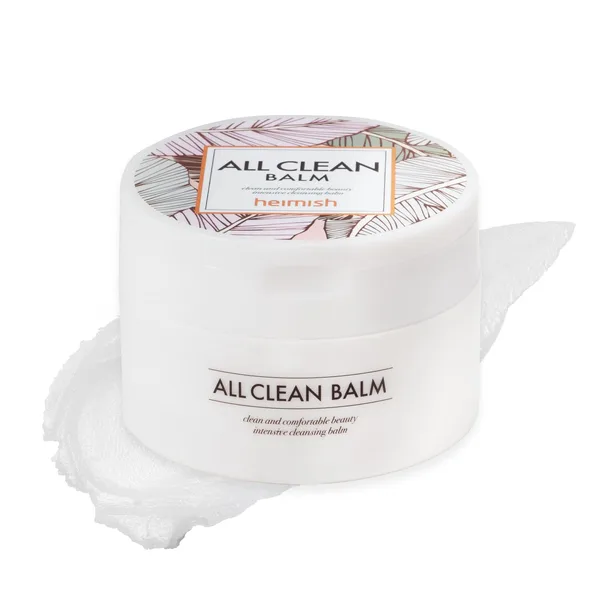
Heimish All Clean Balm
Sherbet-to-milk cleansing balm that removes SPF, makeup, and sebum without stripping. Korean double cleanse staple.
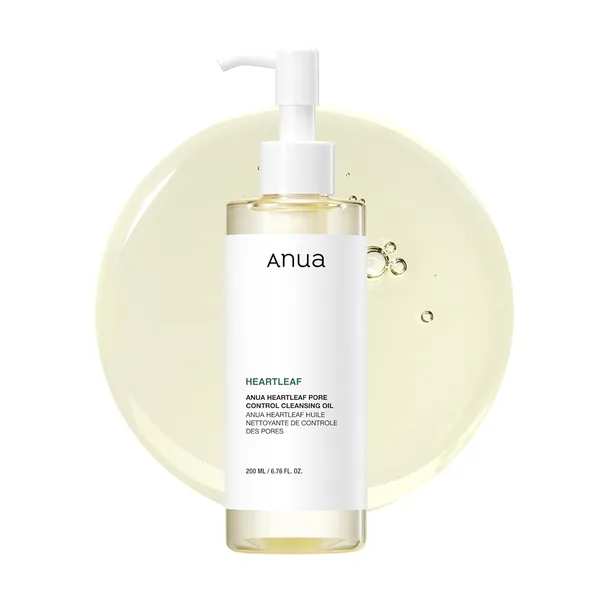
Anua Heartleaf Cleansing Oil
Lightweight cleansing oil with heartleaf extract that dissolves sebum and SPF without clogging pores. Ideal for oily and acne-prone skin.
Step 2: The Water-Based Cleanser
After rinsing the oil cleanser, your face is already 80% clean. The water-based cleanser is a finishing step - it removes the last traces of oil and any water-soluble residue. This is why your second cleanser should be gentle. Low pH (around 4.5–5.5), no fragrance, no harsh surfactants. Foam cleansers and gel cleansers both work; avoid anything that makes your skin feel tight after rinsing.
Classic mistake: using a harsh, stripping cleanser as the second step because "you need to really get it clean." This strips the moisture your oil cleanser preserved and leaves skin reactive. A gentle second cleanser is not being lazy; it’s being precise.
The Most Common Double Cleansing Mistakes
- Not emulsifying properly: Skipping the water emulsification step leaves oil residue on your face, which clogs pores. Always add water before rinsing.
- Double cleansing in the morning: You slept. Your face isn’t dirty with SPF or makeup. Morning requires only a water-based cleanser (or just rinsing with water for dry skin types).
- Using hot water: Hot water dissolves your skin’s natural lipid barrier. Use lukewarm water for both steps.
- Skipping double cleanse on no-makeup days: SPF alone requires an oil cleanser to fully remove. If you wore sunscreen, double cleanse.
FAQ
Is double cleansing necessary if I don’t wear makeup?
Yes, if you wear sunscreen. SPF is oil-based and requires an oil cleanser to fully remove. Leaving SPF residue on your skin overnight accelerates pore clogging and oxidative damage.
Does double cleansing cause breakouts?
Properly done, double cleansing prevents breakouts by ensuring pores are genuinely clear. Breakouts from double cleansing usually come from using a cleansing oil that contains pore-clogging ingredients - look for non-comedogenic formulas.
Can I double cleanse if I have dry skin?
Yes - and you should. Dry skin benefits enormously from proper SPF removal. Choose a nourishing cleansing balm (like Heimish) that leaves skin feeling comfortable rather than tight, and use a cream-based second cleanser.
My Double Cleanse Routine, In Practice
I double cleanse every evening without exception - it's been the most consistent habit I've built around skincare, and the one that made the biggest difference in my skin's baseline condition. Here's how my routine actually runs and what I've learned from 2 years of doing this.
The first cleanse timing. I start the first cleanse before I wash off any makeup or sunscreen with water - the point is that the cleansing balm dissolves these products directly in their oil-based state. Wetting the face first before the oil cleanse introduces water that partially emulsifies the SPF and makeup before the balm can work, reducing efficiency. Dry hands to dry face for the first cleanse, always.
My massage time. I spend 90 seconds massaging the Banila Co Clean It Zero Balm into my face, including my scalp line, eyebrows, and around the nostrils - areas where sunscreen accumulates and standard rinsing misses. I then emulsify (add a small amount of water to turn the balm white and milky) and rinse with warm water. The emulsification step is what lifts everything to the surface for rinsing. Skipping it leaves a faint oily residue that affects how the second cleanser performs.
Second cleanse selection. My second cleanser changes seasonally. Winter: COSRX Pure Fit Cica Cleanser (creamier, slightly more nourishing, supports barrier during dry months). Summer: COSRX Low pH Good Morning Gel Cleanser (lighter, slightly more thorough, handles additional sebum from warmer months). The principle: choose a second cleanser based on what your skin needs after cleansing, not based on additional cleansing power - the first cleanse already did the heavy lifting.
What changed when I started double cleansing. My toner and essence absorbed noticeably differently within the first week. The layers went on faster, penetrated more smoothly, and lasted longer without reapplication. This is the double cleanse outcome no one talks about: it's not just about clean skin, it's about a clean surface that allows everything that follows to perform correctly.