Korean Anti-Aging Skincare: The Routine That Keeps Korean Women Looking Younger
By KSkinBio Editors · Updated 2026
Korean anti-aging philosophy starts with a premise that Western skincare still hasn’t fully absorbed: the best time to prevent aging is before it starts. Korean women typically begin anti-aging routines in their mid-20s - not because they’re trying to reverse damage, but because prevention at 25 is exponentially more effective than correction at 45. Here’s the full philosophy and the specific routine.
The K-Beauty Anti-Aging Philosophy
Korean anti-aging is built on four pillars:
- Sun protection above everything else. UV exposure causes 80–90% of visible skin aging. Daily SPF 50+ PA++++ is non-negotiable in Korean skincare. No anti-aging product is as powerful as consistent sunscreen use.
- Intense hydration as a foundation. Dehydrated skin shows lines and texture more visibly. Plumped, well-hydrated skin looks younger regardless of other factors. This is why K-beauty uses layering and essence-forward routines rather than a single moisturizer.
- Fermented actives for cell renewal. Fermented ingredients (bifida ferment lysate, galactomyces, saccharomyces) have been clinically shown to accelerate skin cell turnover, improve radiance, and stimulate collagen production at a rate comparable to retinoids - with far less irritation.
- Peptides and PDRN for structural repair. Once visible aging begins, Korean skincare turns to peptides (collagen precursors) and PDRN (salmon-derived DNA that stimulates skin regeneration) for structural repair.
Anti-Aging Routine by Decade
In Your 20s: Prevention
SPF 50+ daily. Vitamin C in the morning. A light retinoid 1–2x per week at night. Fermented essence for cell renewal. That’s it.
In Your 30s: Early Correction
Add a peptide serum (morning). Increase retinoid to 3x per week. Sheet mask twice weekly. Begin using an eye cream. PDRN serum for early texture concerns.
In Your 40s+: Active Repair
Full protocol: PDRN serum + fermented essence + peptide cream + retinoid at night. Add a facial device (microcurrent or LED) for enhanced delivery. Richer night cream. Consistent SPF is still the biggest lever.
The Anti-Aging Hero Products
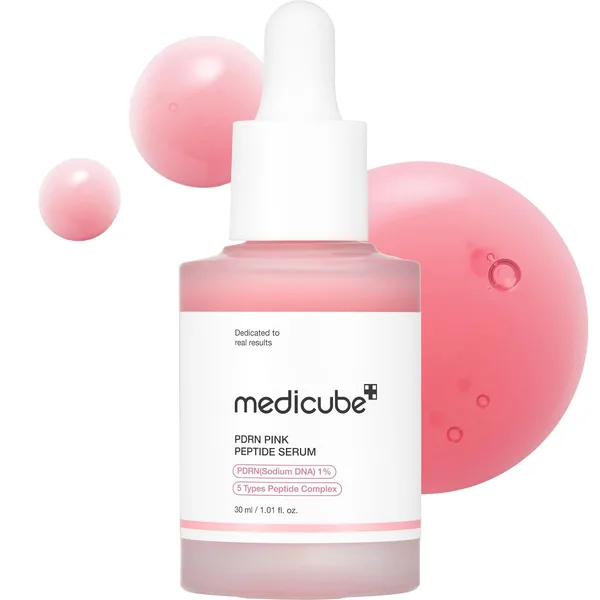
medicube PDRN Peptide Serum
Salmon-derived PDRN stimulates skin regeneration at a cellular level. Clinical-grade anti-aging for fine lines, texture, and elasticity loss.
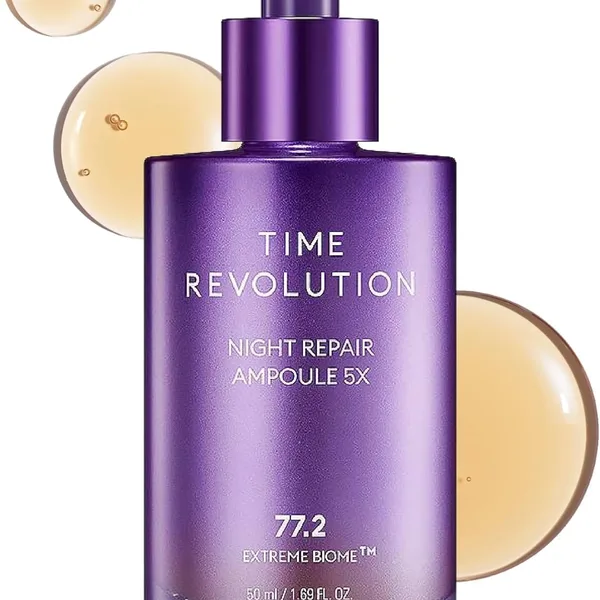
Missha Time Revolution The First Treatment Essence
Galactomyces ferment filtrate at 80%+ concentration. The original K-beauty fermented essence - accelerates cell turnover and delivers visible glow within 4 weeks.
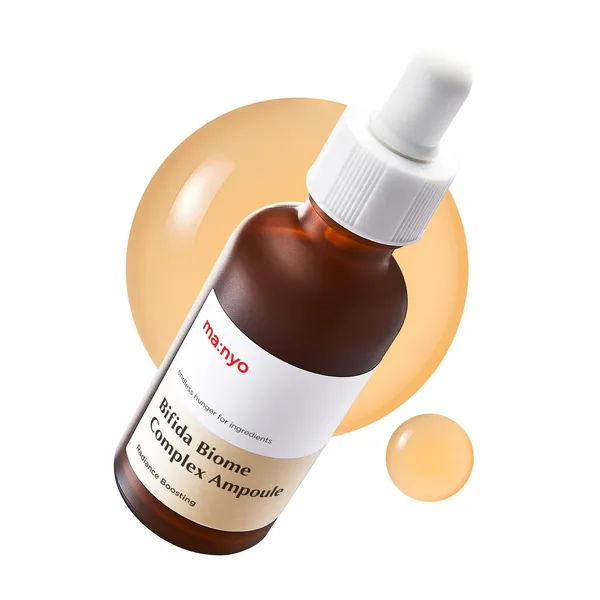
Manyo Factory Bifida Biome Ampoule
Bifida ferment lysate ampoule that strengthens skin microbiome, boosts collagen synthesis, and reverses early signs of photoaging.
FAQ
At what age should I start an anti-aging routine?
Ideally in your mid-to-late 20s, starting with SPF and vitamin C. The Korean approach is prevention-first - collagen loss begins in your late 20s, so preventive actives at this age have far more impact than corrective ones started at 40.
Is PDRN as effective as retinol?
For different reasons. Retinol accelerates cell turnover and stimulates collagen through the retinoic acid pathway. PDRN stimulates DNA repair and cellular regeneration through a different mechanism. They’re complementary, not competitive - using both in a protocol produces better results than either alone.
Can I use fermented essences if I have yeast-sensitive skin?
Possibly not. Galactomyces ferment filtrate is derived from yeast and can occasionally trigger reactions in people with candida sensitivity or malassezia-related fungal acne. If you have fungal acne, choose bifida-based essences over galactomyces and patch test carefully.
Anti-Aging Ingredient Order: Why Sequence Changes Results
The anti-aging routine above contains multiple actives - retinol, peptides, vitamin C, fermented essences - and how they interact depends on the order you apply them. Getting this wrong doesn't just waste product; it can cause irritation or neutralize ingredients before they reach the target skin layer.
Vitamin C before moisturizer, morning only. L-ascorbic acid works best at low pH (below 3.5) and needs to penetrate before your hydrating layers create a buffering film. Apply it to clean, dry skin, wait 90 seconds, then proceed with your toner and essence. Never apply vitamin C after an AHA exfoliant - the combined low pH causes significant irritation with no additional benefit. Vitamin C is strictly a morning active for me because evening retinol creates degradation competition.
Retinol after moisturizer (the sandwich method) for beginners. Rather than applying retinol to bare skin and risking the irritation that causes most people to abandon it, apply a thin layer of moisturizer first, then retinol, then moisturizer again. This buffers the absorption rate and dramatically reduces peeling and redness during the adjustment period. As your skin builds tolerance over 6 to 8 weeks, you can shift retinol to bare skin application for stronger effect.
Peptides and retinol: the timing question. Peptides applied immediately before retinol can interfere with retinol's mechanism at the receptor level. I apply peptide serums in the morning, retinol at night - a natural separation. If you want both in your PM routine, apply retinol first on bare skin, let it fully absorb (10 to 15 minutes), then apply peptides on top. The absorption layer between them prevents the reported interference while still delivering both actives to the skin.